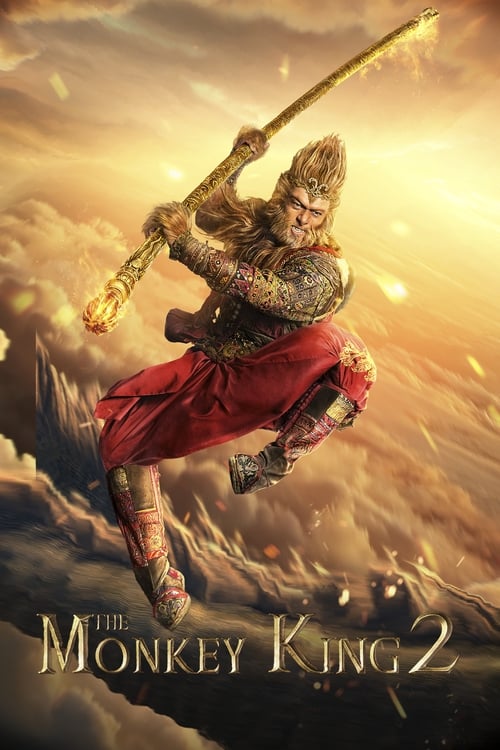
The Monkey King 2
2016
No user ratings available yet
Representation score: 4.7 out of 10
Representation Score
Fair
2013
PG-13Director
Stephen Chow
Runtime
110 minutes
Average Rating
No ratings yetNew Showbiz Analysis
Stephen Chow’s film is a stylistically sophisticated reimagining of classical folklore using postmodern surrealism to challenge traditional archetypes. It successfully deconstructs the 'villain' by giving demons complex motivations rooted in trauma and circumstance. However, the film remains traditionally structured in interpersonal dynamics and identity. It does not engage with modern characters who reflect more than one aspect of diversity, focusing instead on a culturally specific spiritual framework. The overall score reflects a work that is intellectually progressive in its treatment of morality but conservative in its gender roles and lack of diverse identity markers.
Category Breakdown
The film focuses on a heterosexual relationship between the main character and a female demon. It doesn't include non-straight identities or queer themes, sticking to traditional romance.
The female lead has significant supernatural powers and drives emotional stakes. However, her role is tied to romantic and sacrificial duties, supporting the male protagonist's spiritual journey.
The cast is ethnically uniform, reflecting the Chinese mythological context. Diversity is shown through the metaphorical 'othering' of various demon species rather than real-world racial dynamics.
The story explores moral relativism by showing demons through their traumas and desires. While it criticizes greed, it ultimately upholds a traditional spiritual hierarchy and moral order.
Supernatural entities have physical deformities used mainly as visual markers of monstrosity. These traits serve comedic or horror purposes rather than nuanced representations of disability.
Present on Screen
Limited or Absent
Official Synopsis
In a world plagued by demons who cause great human suffering, young demon hunter Tang Sanzang must fight against monstrous demons, as well as contend with a beautiful demon hunting woman on his path to enlightenment.
2016
1995
2011
2009

2015
2003
2005
2011
No reviews yet. Be the first to share your thoughts on this movie!
Use the rating form above to leave a star rating and optional review.