
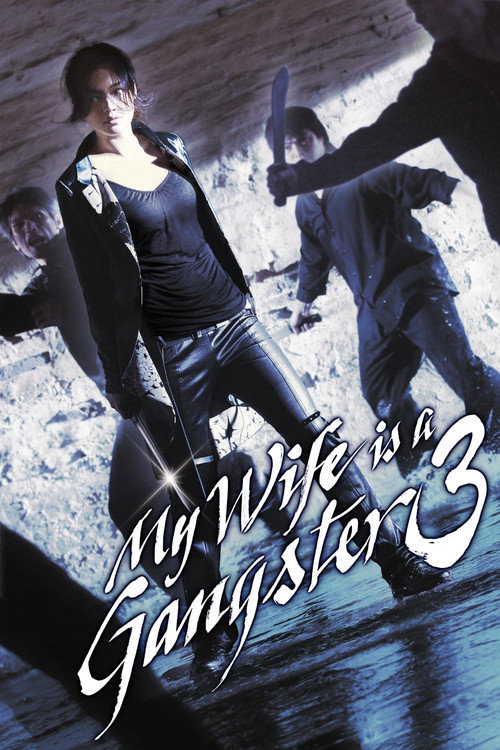
My Wife is a Gangster
2001
No user ratings available yet
Representation score: 3.0 out of 10
Representation Score
Good
2006
Director
Cho Jin-gyu
Runtime
115 minutes
Average Rating
No ratings yetNew Showbiz Analysis
My Wife Is a Gangster 3 disrupts the typical masculine dominance in crime cinema by focusing on a powerful female lead. This shift in structure challenges the usual 'macho' clichés of the action-comedy genre. However, the film's diversity is limited by its narrow focus. It lacks representation for LGBTQ+ characters and individuals with disabilities, maintaining a strong emphasis on able-bodied characters and heterosexual relationships. While the setting is culturally specific and predominantly Korean, the protagonist's Hong Kong background adds an international element. Despite this, the film successfully reconfigures gender power structures while remaining centered on a homogenous demographic.
Category Breakdown
The film does not feature prominent LGBTQ+ characters or explore non-straight relationships. The story centers on the criminal underworld and the protagonist's survival.
The film challenges traditional gender roles by placing a female character as the main driver of the plot. She exhibits the physical strength and authority usually associated with male leads.
The cast and setting are primarily Korean, reflecting a localized context. The protagonist's Hong Kong connections do not significantly diversify the cultural framework.
The story examines the criminal underworld through themes of loyalty and situational ethics. It portrays a world where syndicate morality supersedes traditional social norms.
There are no characters with visible or invisible disabilities in the film. The narrative emphasizes the physical prowess and agility of the main cast.
Present on Screen
Limited or Absent
Official Synopsis
When Aryong, the daughter of a triad boss from Hong Kong is accused of killing the boss of a competing triad, she goes into hiding in Korea. Upon arriving, she is guided by a nimble but loyal Gi-chul and his motley crew, who are assigned to protect her until her return.
2001
1999
2003

1994
2002

2011

2006

2004
No reviews yet. Be the first to share your thoughts on this movie!
Use the rating form above to leave a star rating and optional review.