Find another title
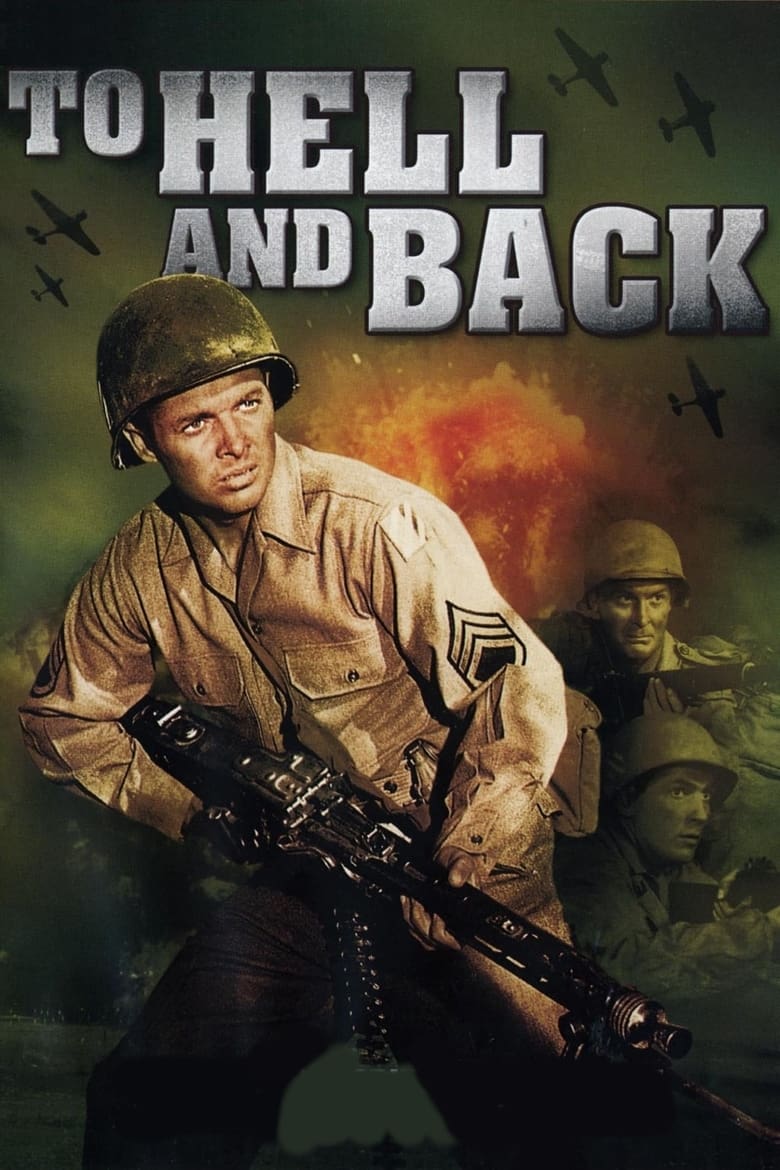
To Hell and Back
1955
ApprovedDirector
Jesse Hibbs
Runtime
106 minutes
Average Rating
No ratings yetSynopsis
The true WWII story of Audie Murphy, the most decorated soldier in U.S. history. Based on the autobiography of Audie Murphy who stars as himself in the film.
Where to Watch
Diversity & Representation
Overall Score
Minimal
Category Breakdown
LGBTQ+ Representation
The film centers on mid-century military heroism and traditional masculine bonds. It lacks any depiction of non-cisnormative gender identities or same-sex intimacy.
Gender Representation
Masculinity drives the plot through Audie Murphy's martial prowess. Female characters occupy secondary roles, serving primarily as domestic or romantic anchors rather than autonomous agents.
Racial & Ethnic Diversity
The cast is predominantly white, reflecting the historical context of the 1940s U.S. Army. The film depicts a homogeneous social structure lacking characters of color in high-agency roles.
Religious & Cultural Diversity
The narrative celebrates traditional Western institutions and patriotic service. It promotes individual merit and nationalistic duty through a lens of moral clarity and institutional loyalty.
Disability Representation
Combat-related physical and psychological tolls are framed as obstacles to be overcome for heroic status. Characters lack agency outside of the 'wounded warrior' trope.
Strengths
- Provides a historically grounded biographical account of Audie Murphy's WWII service.
- Captures the mid-century cinematic standards of the 1950s studio system.
Areas for Improvement
- Lacks representation of diverse racial and ethnic groups within the military narrative.
- Reinforces traditional gender hierarchies by relegating women to secondary, supportive roles.
- Fails to provide agency to characters with disabilities beyond the wounded warrior trope.
- Lacks any depiction of LGBTQ+ identities or non-cisnormative gender expressions.
AI Analysis
To Hell and Back is a quintessential mid-century biographical tribute that prioritizes traditionalist values and conventional heroism. The film functions as a standard celebration of American military ideals, reinforcing established social hierarchies through its narrative structure. The production adheres strictly to the era's cinematic standards, focusing on the martial agency of Audie Murphy. This focus results in a homogeneous depiction of the military experience that lacks intersectional complexity. While the film acknowledges the hardships of war, it does so to bolster a narrative of individual merit and nationalistic duty. It avoids critiquing systemic conflict, opting instead for a lens of institutional loyalty.
Rate this Movie
Reviews
No reviews yet. Be the first to share your thoughts on this movie!
Use the rating form above to leave a star rating and optional review.