
Where the Wind Blows
2023
No user ratings available yet
Representation score: 3.3 out of 10

Representation Score
Limited
2009
Director
Wong Jing
Runtime
113 minutes
Average Rating
No ratings yetNew Showbiz Analysis
Wong Jing’s crime drama delves into the historical and systemic issues of the time rather than focusing on identity-based representation. By centering on the establishment of the ICAC in the 1970s, the film examines the predatory power dynamics of that era. While the film lacks diversity in terms of LGBTQ+ and disability representation, it offers a unique non-Western perspective. It highlights the specific social and political history of Hong Kong's institutional reforms during the 1970s. Ultimately, the film’s strength lies in its portrayal of social evolution, framing the battle against systemic corruption as a necessary disruption of established, flawed hierarchies.
Category Breakdown
The film does not include any LGBTQ+ characters or narratives that question the assumption that everyone is straight or cisgender.
The story revolves around male-led police and investigative teams. The plot is driven by male characters working to overcome corrupt systems.
This Hong Kong film presents a culturally unique, non-Western viewpoint. It emphasizes local ethnic identity and regional history rather than Anglo-centric views.
The film depicts traditional, corrupt institutions as oppressive. It celebrates the dismantling of these institutions as a necessary social evolution.
There is no evidence of characters with physical or neurodivergent disabilities in the film.
Present on Screen
Limited or Absent
Official Synopsis
In the early 1970s, the Governor of Hong Kong decided to clean up the police force. The ICAC was established, whose operation branch was headed by Yim. Bong and Unicorn also joined the ICAC. Despite threats of violence and intimidation, they managed to bring about the downfall of the empire of graft.
2023

2012

2005

2019
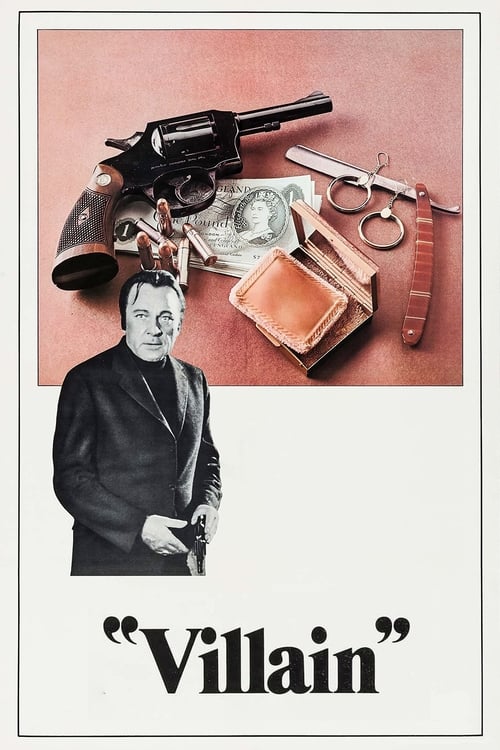
1971

1988

2023

2021
No reviews yet. Be the first to share your thoughts on this movie!
Use the rating form above to leave a star rating and optional review.