The Dark Side of the Heart
1992
No user ratings available yet
Representation score: 7.1 out of 10
Representation Score
Good
1997
Director
Arturo Sotto Díaz
Runtime
99 minutes
Average Rating
No ratings yetNew Showbiz Analysis
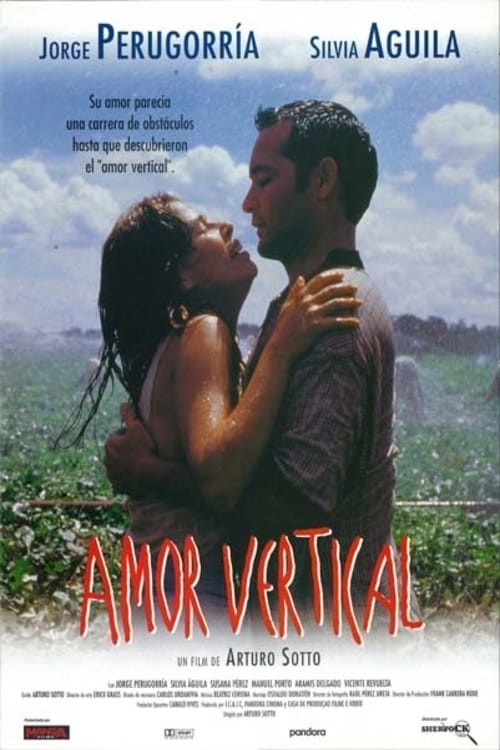
Vertical Love presents a non-Western reality that challenges the 'white-as-norm' framework of global cinema. By centering the narrative on Havana and its specific social conflicts, the film grants significant cultural ability to act to its Cuban setting. The film also disrupts gendered expectations by making an ambitious female architect the intellectual engine of the story. This shifts the focus away from traditional male-led narratives toward a more unconventional character dynamic. However, the film lacks visible LGBTQ+ representation and does not provide clear evidence of disability portrayal. The narrative remains centered on a conventional heterosexual romance and systemic social struggles.
Category Breakdown
The story focuses on a heterosexual relationship between Estela and Ernesto. There are no clear examples of LGBTQ+ characters or non-straight identities.
Estela is a highly intelligent female protagonist whose career goals drive the story. Ernesto, with his cynical and earthy personality, offers a contrasting perspective to traditional male leadership roles.
Set in Havana, the film highlights a Cuban cast and explores the unique social dynamics of the city. It avoids Western-centric norms by focusing on a specific, non-Anglo-Saxon context.
The film criticizes state bureaucracy by depicting commissars as oppressive figures. It portrays subversive living through settings like squatters' tenements.
The film touches on mental health issues through the protagonist's suicide attempt, but it is framed as a result of professional failure rather than a detailed exploration of disabilities or neurodivergence.
Present on Screen
Limited or Absent
Official Synopsis
The architecture student Estela (Silvia Aguila) makes a suicide attempt after her plans for solving Havana's housing shortage are rejected. This brings her into contact with earthy, cynical hospital nurse Ernesto (Jorge Perugorria). Estela invites him home for dinner, and he succeeds in offending everyone present. Unable to find a quiet spot to be alone, they finally find a squatters' tenement, where their sexual frenzy causes a ceiling to collapse. They next try vertical love in a stalled elevator, trapping people in the modern building minus stairs. Fleeing responsibilities, they stage a romantic rendezvous alongside a country river, but once again they are interrupted as Cuban commissars arrive with papers and forms because the couple constructs a hut beneath a bridge. Amid the misadventures, lust turns to love
1992

1999
2003

1993
1970
1991

1993

1988
No reviews yet. Be the first to share your thoughts on this movie!
Use the rating form above to leave a star rating and optional review.