Wallace & Gromit's World of Invention
2010
No user ratings available yet
Representation score: 6.7 out of 10
Representation Score
Good
1995
Director
Yoshitomo Yonetani
Runtime
30 minutes
Average Rating
No ratings yetNew Showbiz Analysis
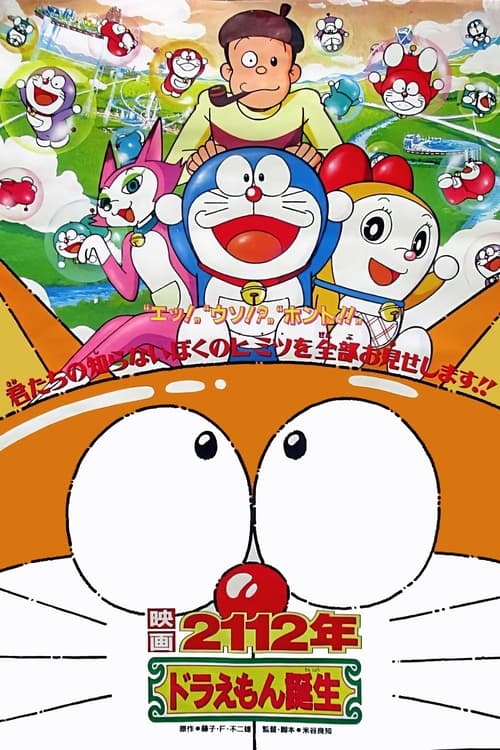
This prequel offers a grounded exploration of identity by deconstructing the protagonist's origins. It moves away from the cliché of flawless technology to focus on a character shaped by accidental transformation and physical imperfection. While the film adheres to traditional familial and cultural structures, it finds depth in the protagonist's 'brokenness.' This shift from a perfect machine to a flawed individual provides a unique character-driven perspective. However, the work remains culturally localized and lacks diverse representation in terms of race or LGBTQ+ identities, functioning primarily as a traditional family narrative.
Category Breakdown
The story focuses on the origin of a robotic entity and its bond with the Nobi family. There are no explicit LGBTQ+ characters or relationships that go beyond straight and cisgender norms.
The story centers on the relationship between Doraemon and Nobita within a traditional cast structure. It challenges the ideal of perfection by focusing on the protagonist's physical flaws and mechanical issues.
The film operates within a culturally specific Japanese context. The cast is depicted as a homogeneous group, reflecting the localized setting of the source material.
The film critiques the idea of a technological utopia by presenting a vision of imperfection. It prioritizes interpersonal connections over the rigid, systemic progression of a high-tech future.
Doraemon's physical alterations and mechanical flaws are central to his identity. He is portrayed as a character defined by physical imperfections who maintains a significant role in driving the story and has emotional depth.
Present on Screen
Limited or Absent
Official Synopsis
Acting as a prequel, this short subject shows the life of Doraemon before traveling to the 20th century: how he was made, how he was partially broken, how he lost his ears, how he met the Nobi family and decides to return to the past to help Nobita.
2010
2009
2013
2020

2012
2001
2017

2010
No reviews yet. Be the first to share your thoughts on this movie!
Use the rating form above to leave a star rating and optional review.