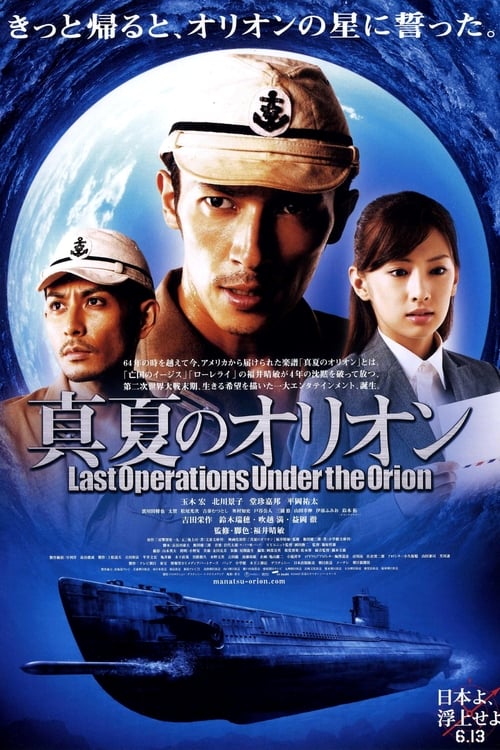
Battle Under Orion
2009
No user ratings available yet
Representation score: 3.5 out of 10
Representation Score
Fair
2005
Director
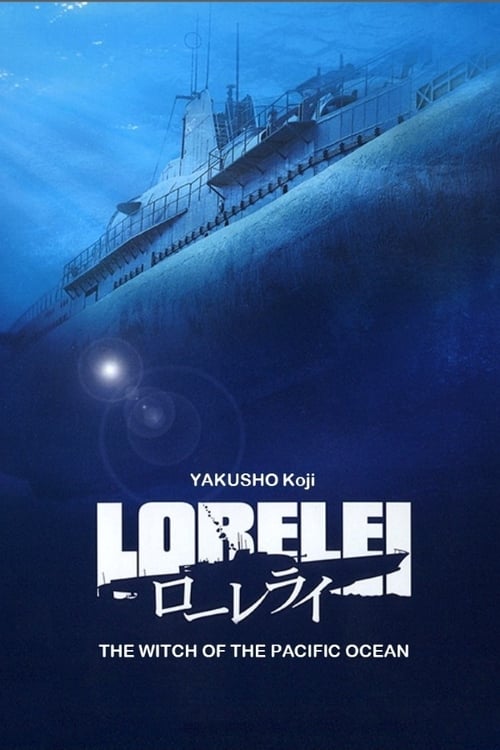
Shinji Higuchi, Cellin Gluck
Runtime
128 minutes
Average Rating
No ratings yetNew Showbiz Analysis
Lorelei: The Witch of the Pacific Ocean provides a fresh perspective on World War II by focusing on the Japanese experience. It challenges the typical Western focus on the war by presenting the Japanese viewpoint and the ethical dilemmas surrounding atomic bombings. However, the film adheres to the social norms of the 1940s, relying on traditional military archetypes and lacking modern, diverse representations. While culturally significant, the film's social structures remain conventional and homogeneous.
Category Breakdown
The film does not show any non-traditional gender identities. The wartime setting focuses on traditional military structures rather than diverse sexual orientations.
The story revolves around a submarine crew, emphasizing a masculine military hierarchy. Women play minor roles and have limited influence over the plot.
The film breaks from typical Western war movies by focusing on the Japanese military experience. However, the cast is ethnically uniform due to the historical period.
The narrative challenges Western perspectives by highlighting the Japanese experience during the atomic bombing era. It explores moral complexities related to technology and warfare.
There is no information about the portrayal of physical or cognitive disabilities in the film.
Present on Screen
Limited or Absent
Official Synopsis
A drama set during World War II where a submarine carrying a secret weapon attempts to stop a planned third atomic bombing of Japan. Based on Harutoshi Fukui's novel Shuusen no Lorelei.
2009
2001
2008
1983
2022
2002
2023
2015
No reviews yet. Be the first to share your thoughts on this movie!
Use the rating form above to leave a star rating and optional review.