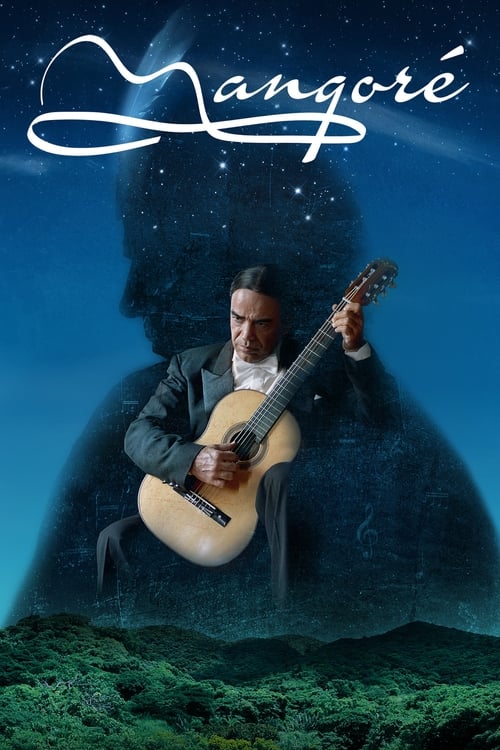
Mangoré
2015
No user ratings available yet
Diversity score: 6.0 out of 10

2017
PG-13Director
Jorge Carmona Del Solar
Runtime
113 minutes
Average Rating
No ratings yetSynopsis
Based on a theater musical, this movie is set in the city of Lima, Peru during the end of the 80's. The plot is about a group of youngsters from Lima who are participating in a contest for the best new Peruvian rock band. All these while they have to deal with the worst economic situation in Peru, corrupt leaders and terrorism that is rampant throughout the country. Features very popular Peruvian rock songs from the 80's and 90's.
Overall Score
Good
Category Breakdown
LGBTQ+ Representation
The film explores youth subcultures within the rock scene, which historically offers space for non-normative social expression. However, there is no explicit confirmation of specific queer identities or romantic pairings.
Gender Representation
The story centers on a group of youngsters navigating a landscape of artistic rebellion. This demographic often allows for the subversion of traditional gender roles against a corrupt patriarchal state.
Racial & Ethnic Diversity
The film provides high agency for Peruvian identities by centering a localized, non-Western cultural movement. It avoids a homogenized lens by prioritizing a regional perspective from the Global South.
Religious & Cultural Diversity
By portraying state and economic institutions as corrupt, the film prioritizes communal identity over state loyalty. Music serves as a vital tool for survival amidst systemic failure.
Disability Representation
There is no specific evidence regarding the portrayal of physical or neurodivergent characters within the narrative.
Strengths
Areas for Improvement
AI Analysis
Larco Ave.: The Movie serves as a narrative of resistance, shifting the focus from state-sanctioned history to a grassroots, identity-driven perspective. By utilizing a 'battle of the bands' trope, the film explores the socio-political volatility of late-1980s Peru through the lens of youth subculture. The film effectively critiques systemic corruption and institutional instability. It frames the struggle of individuals against an oppressive environment as a central theme of empowerment, rather than focusing on traditional historical figures. While the film excels in cultural specificity and regional agency, it lacks explicit evidence regarding LGBTQ+ or disability representation. The focus remains primarily on the intersection of music and socio-economic struggle.
No reviews yet. Be the first to share your thoughts on this movie!
Use the rating form above to leave a star rating and optional review.