
Curling
2010
No user ratings available yet
Diversity score: 4.5 out of 10
2011
GDirector
Matt Russell
Runtime
98 minutes
Average Rating
No ratings yetSynopsis
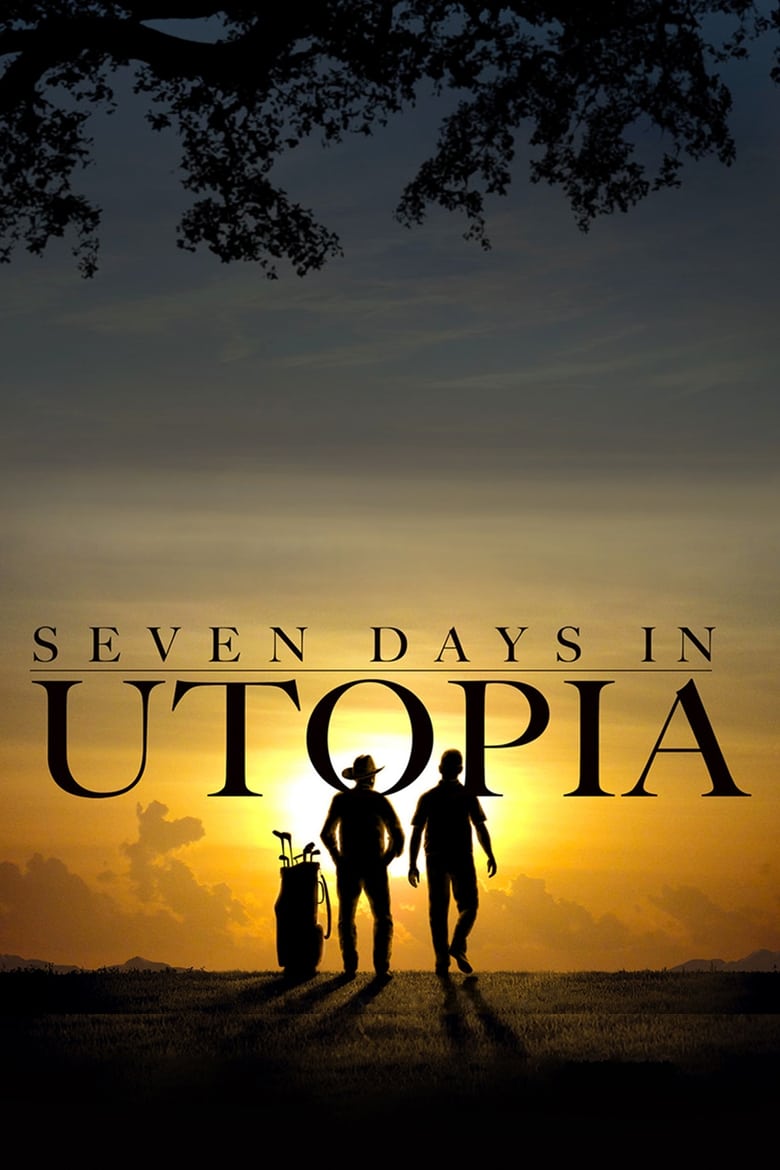
Talent can only get you so far. For golfer Luke Chisholm, that turns out to be Utopia, Texas -- where he's left stranded after blowing his pro debut.
Overall Score
Fair
Category Breakdown
LGBTQ+ Representation
The film focuses on heteronormative dynamics and fraternal bonds. It lacks explicit LGBTQ+ agency or narratives that critique traditional gendered identities.
Gender Representation
While the communal setting challenges 1960s domestic hierarchies, the plot remains driven by a male protagonist. Female intellectual or physical agency is not the primary driver.
Racial & Ethnic Diversity
The cast is predominantly white, reflecting the 1960s American West setting. The film lacks significant characters of color with high agency or intentional intersectional breadth.
Religious & Cultural Diversity
The narrative excels by critiquing mainstream capitalist and Western institutional structures. It frames communal living as a valid rebellion against the rigidity of the established order.
Disability Representation
There is no prominent depiction of visible or invisible disabilities. Characters are defined by philosophical alignment rather than neurodivergence or physical health conditions.
Strengths
Areas for Improvement
AI Analysis
Seven Days in Utopia is a character study that prioritizes philosophical subversion over demographic variety. It explores the tension between mainstream societal structures and communal living, offering a strong critique of traditional Western institutions and capitalist hierarchies. However, the film remains demographically traditional. The cast is largely homogeneous, and the narrative lacks significant representation for LGBTQ+ individuals, people of color, or characters with disabilities. The story centers on a male protagonist within a mid-1960s context that limits its intersectional breadth. Ultimately, the film's strength lies in its cultural themes rather than its casting. It succeeds as a critique of socioeconomic authority but fails to provide a diverse range of lived experiences.
2010

2002
2021
2009
2017
2017

2006
1995
2013

2026
2014

2017
No reviews yet. Be the first to share your thoughts on this movie!
Use the rating form above to leave a star rating and optional review.