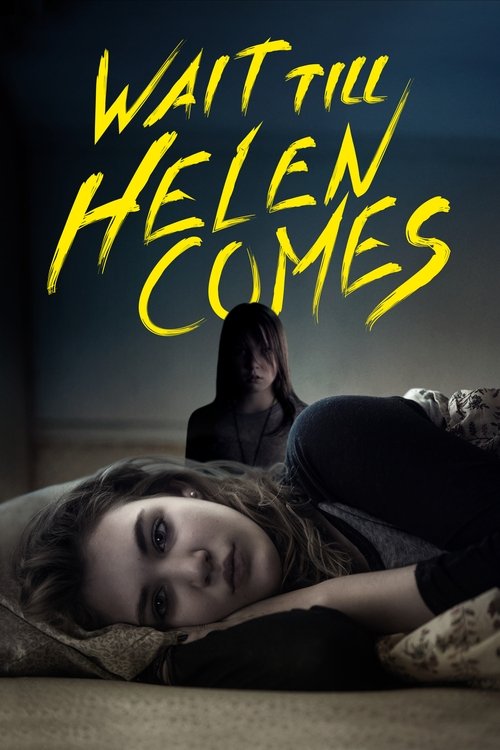
Wait Till Helen Comes
2016
No user ratings available yet
Diversity score: 3.6 out of 10
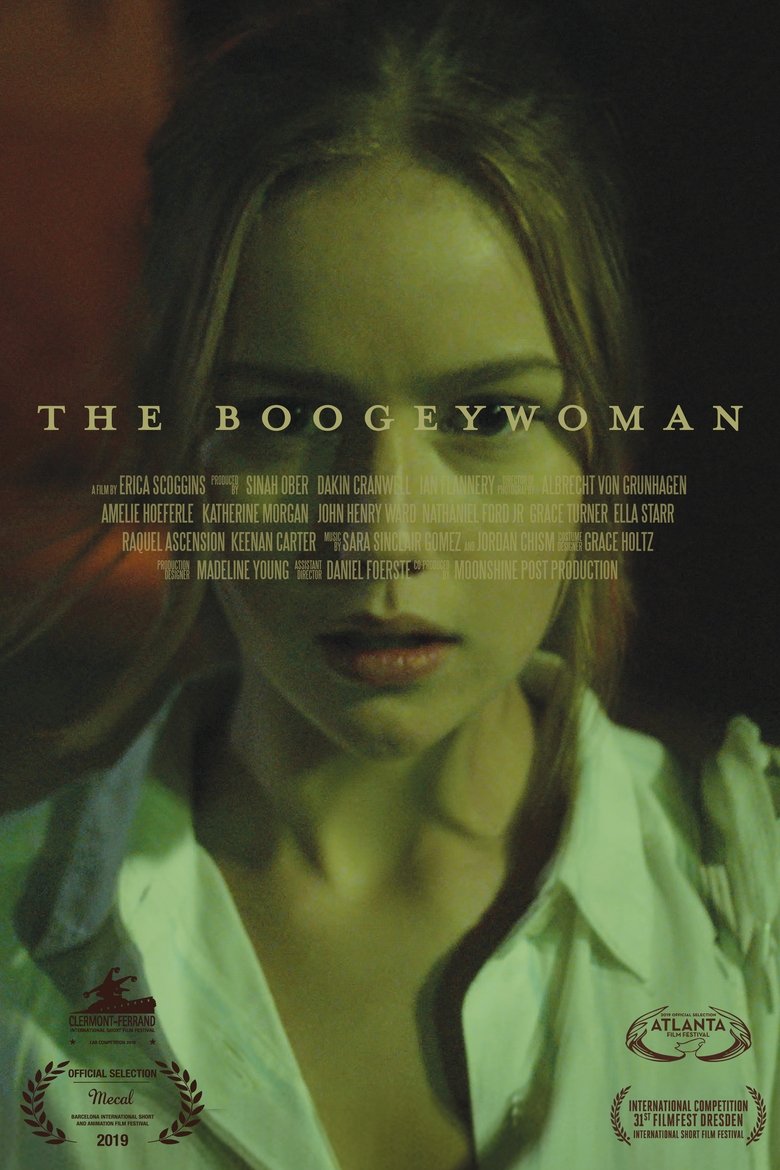
2019
Director
Erica Scoggins
Runtime
18 minutes
Average Rating
No ratings yetSynopsis
While roller-skating, Sam, a sensitive teenage girl, hears about her small town's local legend: the Boogeywoman.
Overall Score
Fair
Category Breakdown
LGBTQ+ Representation
The narrative follows a heteronormative coming-of-age framework. There is no visible evidence of queer identities or non-cisnormative characters within the story.
Gender Representation
The film prioritizes female agency by centering on a sensitive teenage girl. It disrupts horror tropes by incorporating themes like menstruation and female physiological shifts.
Racial & Ethnic Diversity
The small-town setting and cast suggest a homogeneous demographic. There is no evidence of diverse ethnic representation or intersectional casting in the production.
Religious & Cultural Diversity
The story explores subjective morality through urban legends and personal fear. It lacks a direct critique of Western institutions or specific secularist ideologies.
Disability Representation
While the film explores psychological sensitivity and fear, it does not explicitly feature neurodivergence or physical disability as central character traits.
Strengths
Areas for Improvement
AI Analysis
The Boogeywoman succeeds in subverting traditional thriller tropes by centering the narrative on the internal, biological, and psychological experiences of a teenage girl. By focusing on menstruation and adolescent transitions, the film elevates female perspectives often sidelined in the genre. However, the film lacks broad demographic breadth. The casting and setting appear largely homogeneous, providing little visibility for LGBTQ+ identities or diverse racial and ethnic groups. The narrative remains focused on a narrow, subjective experience of fear. Ultimately, the film is a character-driven study of adolescence. It offers a meaningful departure from masculine-centric horror through its gendered focus, even if it lacks wider systemic critique or intersectional representation.
2016

2018

2020

2014
No reviews yet. Be the first to share your thoughts on this movie!
Use the rating form above to leave a star rating and optional review.