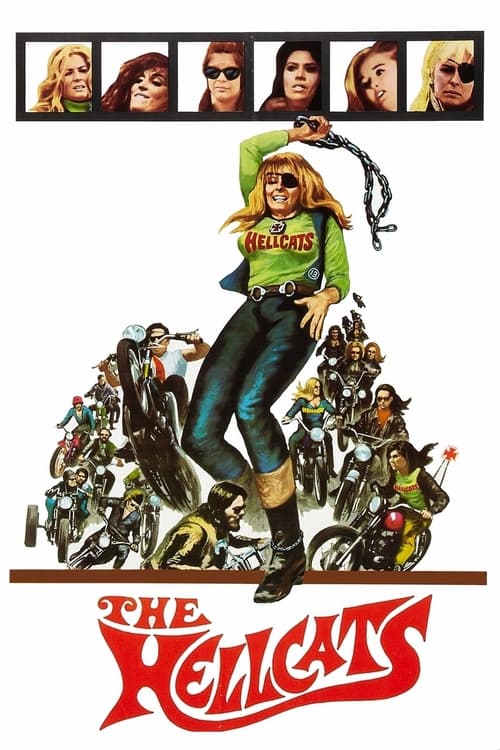
The Hellcats
1968
No user ratings available yet
Representation score: 2.0 out of 10
Representation Score
Minimal
1969
RDirector
Jack Starrett
Runtime
95 minutes
Average Rating
No ratings yetNew Showbiz Analysis
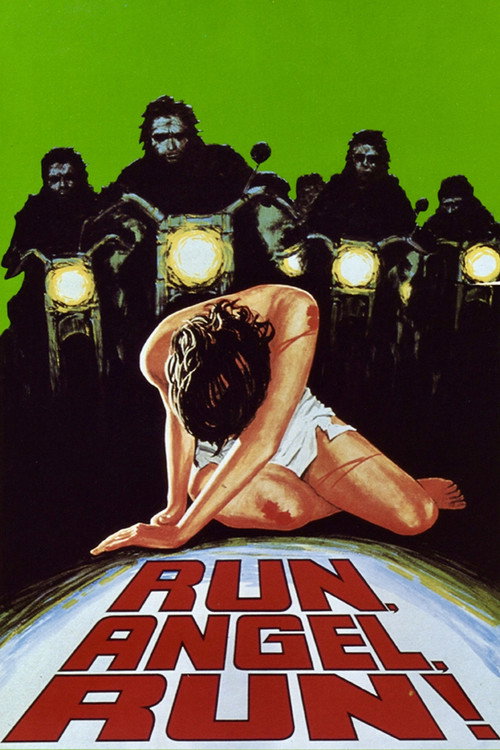
Run, Angel, Run! is a conventional 1969 action-thriller that upholds established social hierarchies rather than challenging them. The narrative structure emphasizes traditional masculine ability to act, focusing on the mentorship between a rancher and an outlaw biker. The film lacks complexity in representing diverse identities, presenting a homogeneous cast and a social framework rooted in the era’s standard demographic norms. It prioritizes a straightforward exploration of personal redemption and outlaw life over any meaningful social critique. Ultimately, the work reflects its temporal context, using traditional gender stereotypes and a localized, Anglo-centric setting to shape its moral message.
Category Breakdown
The film does not include any LGBTQ+ characters or narratives. It follows the conventional heterosexual norms of the late 1960s without challenging these norms.
Gender roles adhere to traditional stereotypes, with male-dominated spaces holding power. The female character mainly serves as a catalyst for the male protagonist’s journey rather than driving her own story.
The cast is predominantly white, reflecting the typical demographics of 1969 American genre films. The story focuses on a localized, largely Anglo-centric social environment.
The story follows a traditional moral binary regarding redemption and criminal behavior. It operates within a conventional Western framework without critiquing systemic institutions or religion.
There is no depiction of physical, sensory, or neurodivergent disabilities. Disability is not used as a narrative device or for character development.
Present on Screen
Limited or Absent
Official Synopsis
Angel (William Smith), an outlaw biker, sells out his gang by exposing their wild conquests to Like magazine for $10,000. With his photo on the cover, Angel skips town and tries to start over with help from sheep rancher Dan Felton (Dan Kemp). An ex-motorcycle enthusiast, Dan becomes a mentor to Angel, giving him hope for a peaceful future. But Angel must put hope aside when members of his former gang viciously attack Dan's teenage daughter.
1968
1953
1970

1966
1969
2004
1968
1968
No reviews yet. Be the first to share your thoughts on this movie!
Use the rating form above to leave a star rating and optional review.