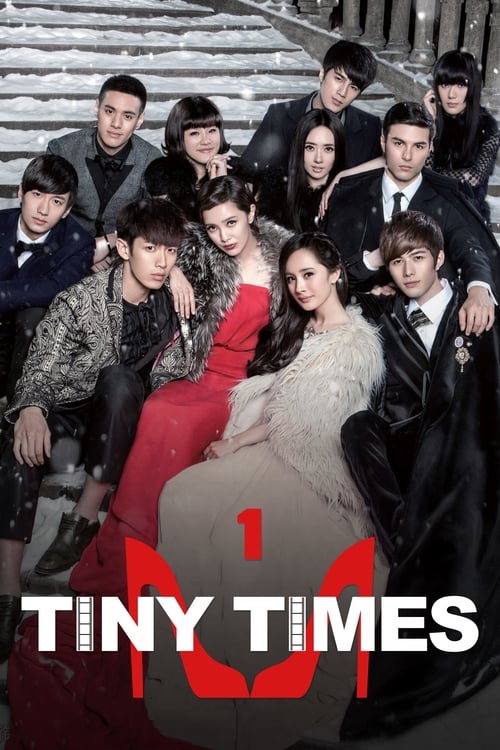
Tiny Times
2013
No user ratings available yet
Representation score: 3.3 out of 10

Representation Score
Good
2015
Director
Edward Guo
Runtime
116 minutes
Average Rating
No ratings yetNew Showbiz Analysis
Tiny Times 4 serves as a character study of female autonomy and social fragmentation. It successfully highlights a non-Western perspective and subverts traditional submissive female roles through Lily's fierce independence. However, the film adheres closely to conventional dramatic formulas. It lacks the explicit multi-layered or systemic critiques needed to transcend typical romantic drama frameworks. While the film offers a compelling look at female-centric social dynamics, it misses opportunities to explore LGBTQ+ identities or provide more nuanced portrayals of living with a chronic illness.
Category Breakdown
The film focuses on the close friendships among a group of women but does not explicitly address LGBTQ+ identities or challenge assumptions about heterosexual relationships.
Lily is shown as fiercely independent despite her terminal illness, avoiding the damsel in distress cliché by highlighting her emotional strength and autonomy.
The movie features a predominantly East Asian cast, providing a non-Western perspective on wealth and social status while emphasizing local cultural nuances.
The story examines the breakdown of traditional support systems through Lily's actions, presenting a cynical view of social stability rather than celebrating community cohesion.
The film centers around a terminal cancer diagnosis, focusing on the emotional impact on the protagonist. This portrayal may fall into the 'tragic sufferer' cliché by emphasizing emotional turmoil over nuanced disability experiences.
Present on Screen
Limited or Absent
Official Synopsis
In the film series finale, Lily finds herself near financial ruin because of the debts left behind by her father, all while battling a newly diagnosed cancer. Too proud to seek solace from anyone around her, Lily sets off a chain of self-destructive events that lead to her estrangement from best friends Lin Xiao, Nan Xiang, and Ruby.
2013
2017

2014

2014
2013

2015
2001
2019
No reviews yet. Be the first to share your thoughts on this movie!
Use the rating form above to leave a star rating and optional review.