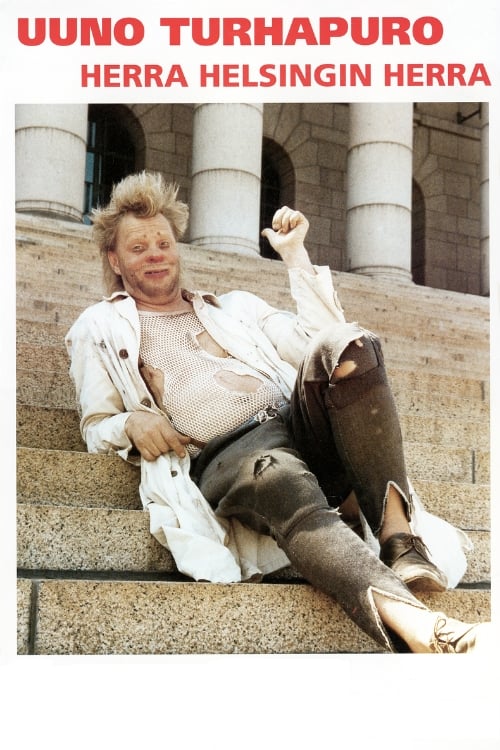
Uuno Turhapuro herra Helsingin herra
1991
No user ratings available yet
Representation score: 2.3 out of 10
Representation Score
Limited
1986
Director
Ere Kokkonen
Runtime
106 minutes
Average Rating
No ratings yetNew Showbiz Analysis
The film serves as a satirical critique of social hierarchies by subverting traditional masculine roles and questioning the value of capitalist productivity through the protagonist's non-conformist lifestyle. However, the narrative lacks diversity, focusing solely on the Finnish cultural context and excluding LGBTQ+ identities and individuals with disabilities. Ultimately, the film's impact lies in its humorous portrayal of anti-social behavior rather than in demographic inclusivity.
Category Breakdown
The film does not include any LGBTQ+ characters and focuses on traditional family structures.
The film subverts traditional gender roles by showing the male protagonist as unemployed and dependent on others, while female characters hold positions of authority and manage the household.
The cast is uniform, reflecting the Finnish context of the 1980s. There is no representation of racial diversity or non-white actors.
The story criticizes traditional Western institutions by highlighting a protagonist who avoids work and social responsibilities, favoring personal comfort over societal norms.
The film does not feature any characters with disabilities, visible or invisible, nor does it depict neurodivergence or physical impairments.
Present on Screen
Limited or Absent
Official Synopsis
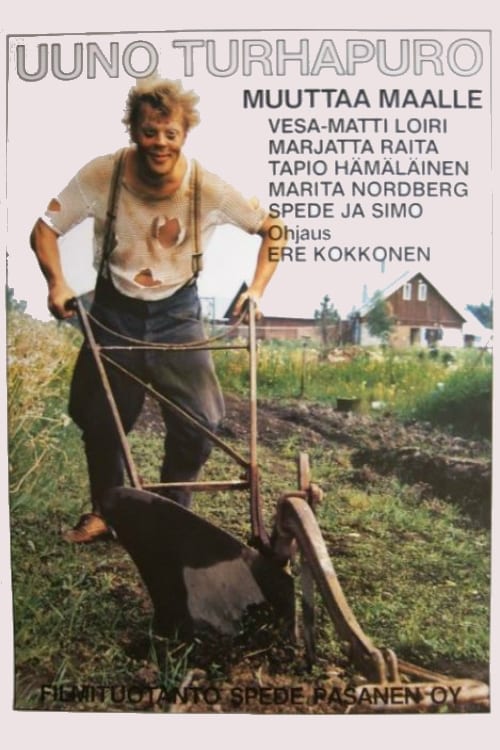
Uuno's father-in-law councillor Tuura moves to the country with his wife and daughter Elisabeth. Uuno joins them when it turns out Tuura's mansion is on the construction site of a new road. Tuura however is set on preventing this.
1991
1983
1992

1980
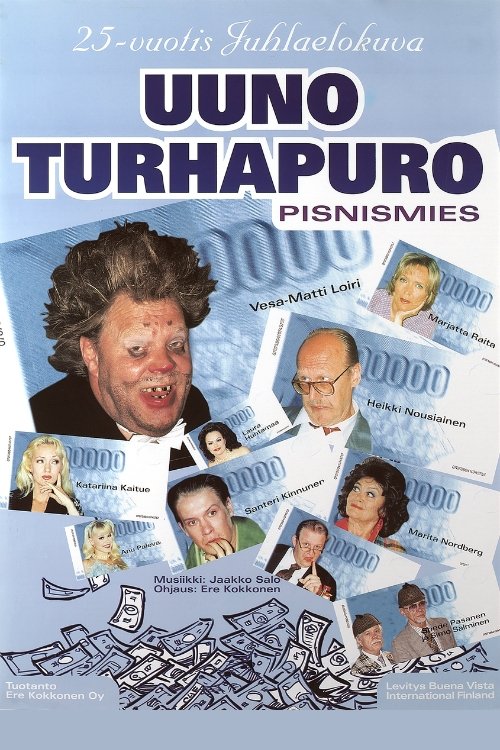
1998

1988
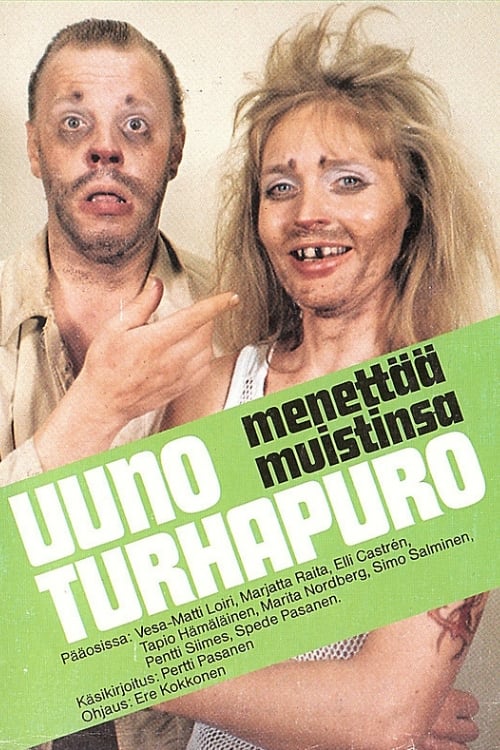
1982
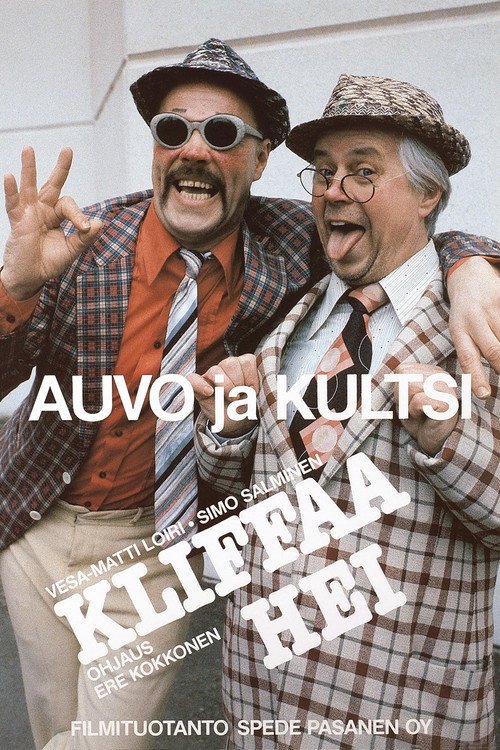
1985
No reviews yet. Be the first to share your thoughts on this movie!
Use the rating form above to leave a star rating and optional review.