Shakespeare: The Legacy
2016
No user ratings available yet
Representation score: 2.4 out of 10
Representation Score
Fair
2005
TV-14Director
John McKay
Runtime
86 minutes
Average Rating
No ratings yetNew Showbiz Analysis
This docudrama succeeds by placing queer-coded analysis at the heart of the story. By focusing on the mysteries of the 'Fair Youth' and the 'Dark Lady,' it uses Shakespeare's sonnets to explore the fluidity of identity and desire. While the film is intellectually sophisticated, it remains tied to the demographic realities of its period setting. The racial landscape remains largely homogeneous, reflecting the specific socioeconomic constraints of Jacobean England. Ultimately, the work moves past including someone from a minority group without giving them real depth. It uses historical reenactment to facilitate a deep exploration of ability to act and the subversion of traditional Western canon narratives.
Category Breakdown
The film focuses on exploring same-sex attraction and gender ambiguity as key drivers of the historical inquiry. These elements are central to the story’s development.
The production challenges Elizabethan social structures by examining the power dynamics between the poet and his subjects. It portrays the 'Dark Lady' as a complex character rather than a passive muse.
The narrative adheres to a traditional reconstruction of Jacobean England. Although the cast includes diverse talent like Indira Varma, the film does not actively seek to disrupt the era's racial homogeneity.
The film adopts an intellectual skepticism towards established historical truths. It deconstructs the 'Great Man' mythos by presenting Shakespeare through messy, human impulses that defy simple moral categorization.
There is no significant evidence regarding the portrayal of visible or invisible disabilities within the film's historical context.
Present on Screen
Limited or Absent
Official Synopsis
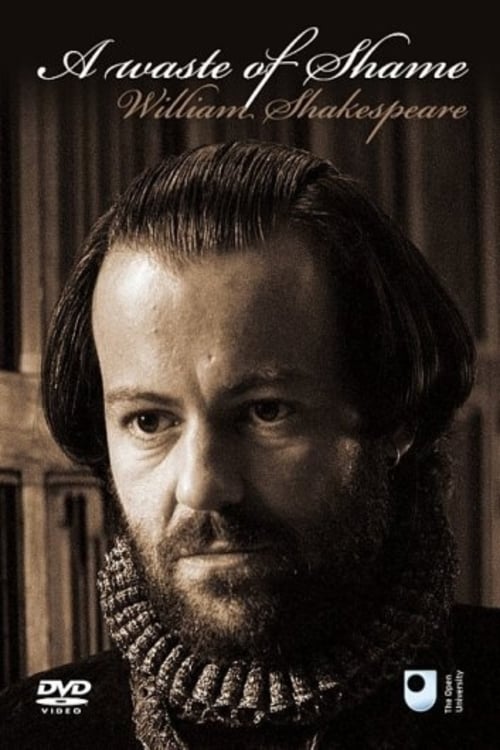
In 1609, William Shakespeare published a collection of 154 sonnets, creating what is arguably the greatest lyric sequence in English literature - and at the center of this masterpiece lies a mystery that has endured for centuries. What are the identities of “the young man” and “the dark lady” to whom all but two of the sonnets allude? This moving performance brings to life the gritty reality of Shakespeare’s England, bits of the Bard’s plays and poems, and the consummate poet and dramatist himself as it exposes these personages unseen but so keenly felt in Shakespeare’s sonnets and in his life. Rupert Graves, Tom Sturridge, Indira Varma, Anna Chancellor, and Zoë Wanamaker star. Contains mature themes and explicit language. Some content may be objectionable. Produced by the Open University.
2016
1996
2016
2002

2016
2011
1990
2003
No reviews yet. Be the first to share your thoughts on this movie!
Use the rating form above to leave a star rating and optional review.