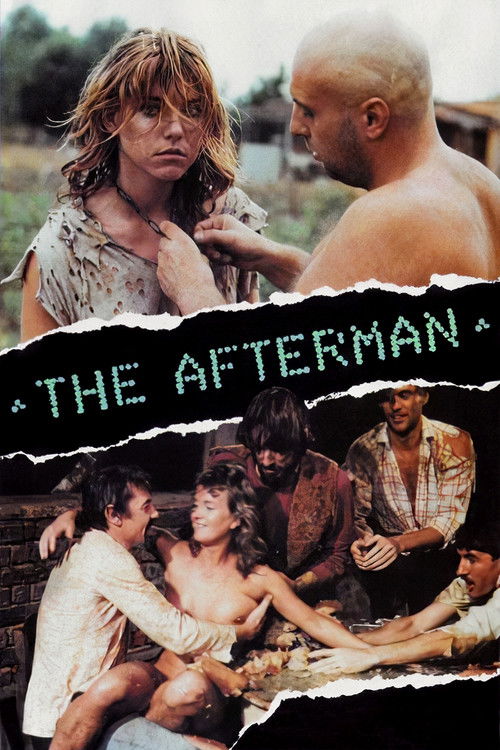
The Afterman
1985
No user ratings available yet
Representation score: 5.6 out of 10
Representation Score
Good
1986
RDirector
Albert Pyun
Runtime
94 minutes
Average Rating
No ratings yetNew Showbiz Analysis
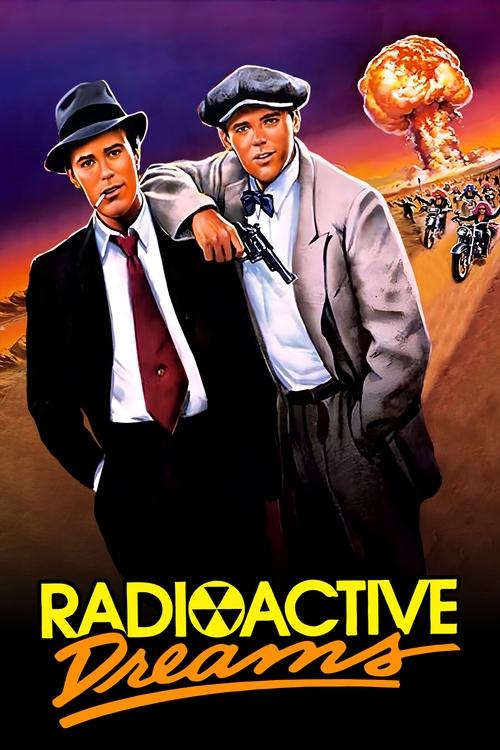
Radioactive Dreams utilizes a post-apocalyptic framework to explore a world where traditional social orders have collapsed. The setting provides a fertile ground for disrupting conventional norms through its focus on outcasts and biological mutants. However, the film remains heavily anchored in masculine archetypes, centering its narrative on a male detective duo. While the environment suggests a diverse population, the specific representation of racial and gender diversity lacks explicit confirmation. Ultimately, the film succeeds in deconstructing institutional structures like government and patriotism, even if it lacks deep multi-layered character data.
Category Breakdown
The film centers on the partnership between Phillip Hammer and Marlowe Chandler. While their identities aren't explicitly defined, the detective duo cliché offers potential for challenging assumptions about straight relationships.
The story focuses on two male protagonists navigating a lawless world. While the setting allows for the deconstruction of physical perfection, specific evidence of women's ability to drive the story is not present.
The post-apocalyptic landscape of mutants and cannibals suggests a breakdown of traditional social hierarchies. However, there is no confirmation of a non-white majority cast or specific race-bent casting.
The film critiques modern capitalism and centralized government through its depiction of systemic collapse. It prioritizes survivalist morality over traditional religious or state-sanctioned ethics.
The inclusion of mutants and freaks suggests a world built around biological differences. This moves the narrative away from traditional depictions of typical bodies.
Present on Screen
Limited or Absent
Official Synopsis
After an atomic war Phillip Hammer and Marlowe Chandler have spent 15 years on their own in an bunker, stuffed with junk from the 40s and old detective novels. Now, 19 years old, they leave their shelter to find a world full of mutants, freaks and cannibals. They become famous detectives in the struggle for the two keys that could fire the last nuclear weapon.
1985

1986
1987
1983
1982
1962

1983

1975
No reviews yet. Be the first to share your thoughts on this movie!
Use the rating form above to leave a star rating and optional review.