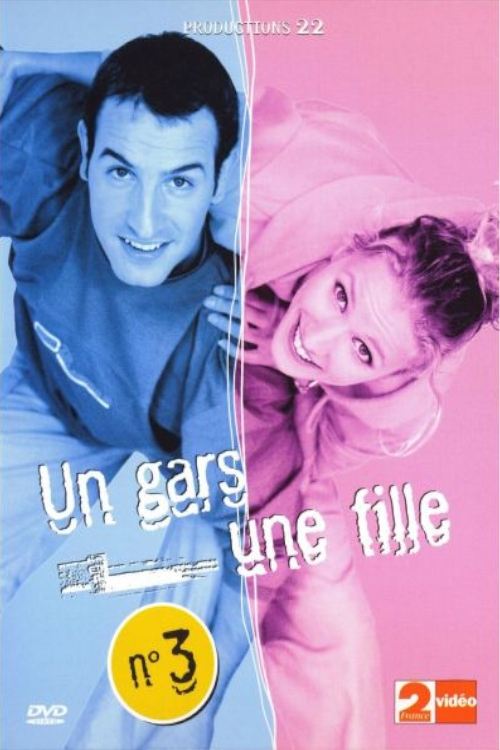
Un gars une fille - vol.3 - En privé, en société
2002
No user ratings available yet
Representation score: 4.5 out of 10

Representation Score
Good
2003
Director
Guy A. Lepage
Average Rating
No ratings yetNew Showbiz Analysis
This installment of *Un gars une fille* excels in deconstructing traditional relationships. Its strength lies in subverting conventional gender roles and rejecting the polished, conservative portrayal of domestic life. However, it is constrained by the demographic homogeneity of its time. The focus on a central heterosexual relationship leaves little room for more complex, multi-layered storylines or queer-centric narratives. Ultimately, the film offers a modern, secular perspective on human interaction, despite limited representation of race or disability.
Category Breakdown
The show primarily focuses on a heterosexual relationship, with little emphasis on queer identities. Although the sketch format allows for various guest characters, there are no specific storylines centered around non-cisgender identities.
The series challenges traditional gender roles by highlighting the female lead's active role in communication. It also portrays the male protagonist as vulnerable and socially awkward, which subverts typical masculine stereotypes.
The cast reflects the demographic homogeneity common in early 2000s Quebecois television. There is no indication of significant racial or ethnic diversity among the main characters.
The work adopts a secular, postmodern perspective that emphasizes domestic micro-politics rather than religious narratives. It challenges the idealized nuclear family archetype by showcasing domestic dysfunction.
The narrative focuses on the psychological tension between the two main characters. There is no evidence of neurodivergent conditions or physical disabilities playing a central role in the story.
Present on Screen
Limited or Absent
2002

2006

2002

2002

2001

2011

2002

2004
No reviews yet. Be the first to share your thoughts on this movie!
Use the rating form above to leave a star rating and optional review.