A Sunday Kind of Love
2016
No user ratings available yet
Representation score: 4.1 out of 10
Representation Score
Fair
2016
PG-13Director
Adam Sigal
Runtime
86 minutes
Average Rating
No ratings yetNew Showbiz Analysis
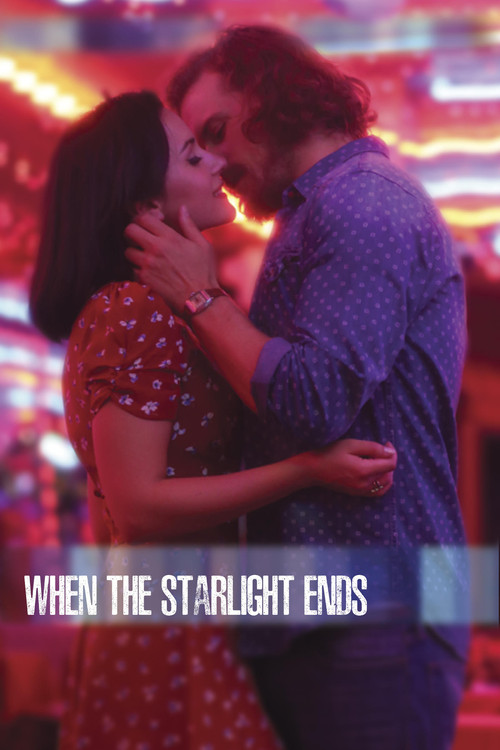
When the Starlight Ends follows a conventional narrative path, focusing on the internal dilemmas of an eccentric writer. The story relies on traditional romantic and professional clichés rather than exploring multiple aspects of identity or systemic social critiques. The production adheres to standard casting patterns for independent American films, resulting in a predominantly Western-coded ensemble. This lack of diverse casting limits the film's cultural breadth. Ultimately, the film functions as a character-driven study of personal choice. It lacks the complexity required to disrupt established social hierarchies or offer a progressive perspective on identity.
Category Breakdown
The film centers on a romantic conflict between an eccentric writer and his partner. There is no clear representation of non-binary or LGBTQ+ identities.
The story focuses on a male protagonist's struggle between career and love. While a female lead is present, the roles follow traditional dramatic conventions.
The cast features a predominantly Western-coded ensemble. There is no documented evidence of diverse racial representation or the use of non-human species as ethnic metaphors.
The narrative explores personal morality and individual choice. It lacks explicit critiques of Western institutions, secularism, or anti-capitalist themes.
There is no visible or mentioned depiction of physical, neurodivergent, or mental health disabilities in the film.
Present on Screen
Limited or Absent
Official Synopsis
An eccentric writer must choose between his work and the love of his life. Looking back, he reflects on whether he has made the right decision.
2016

2017
2009

2008

2013

2025

2011

2023
No reviews yet. Be the first to share your thoughts on this movie!
Use the rating form above to leave a star rating and optional review.