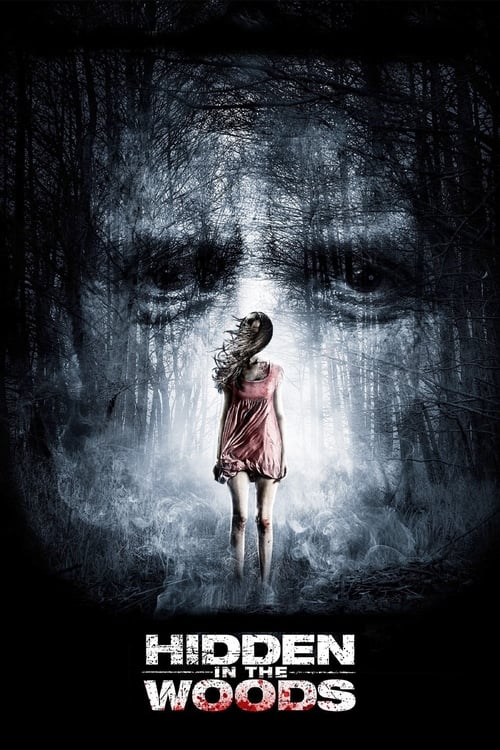
The Inside
2012
No user ratings available yet
Diversity score: 3.2 out of 10
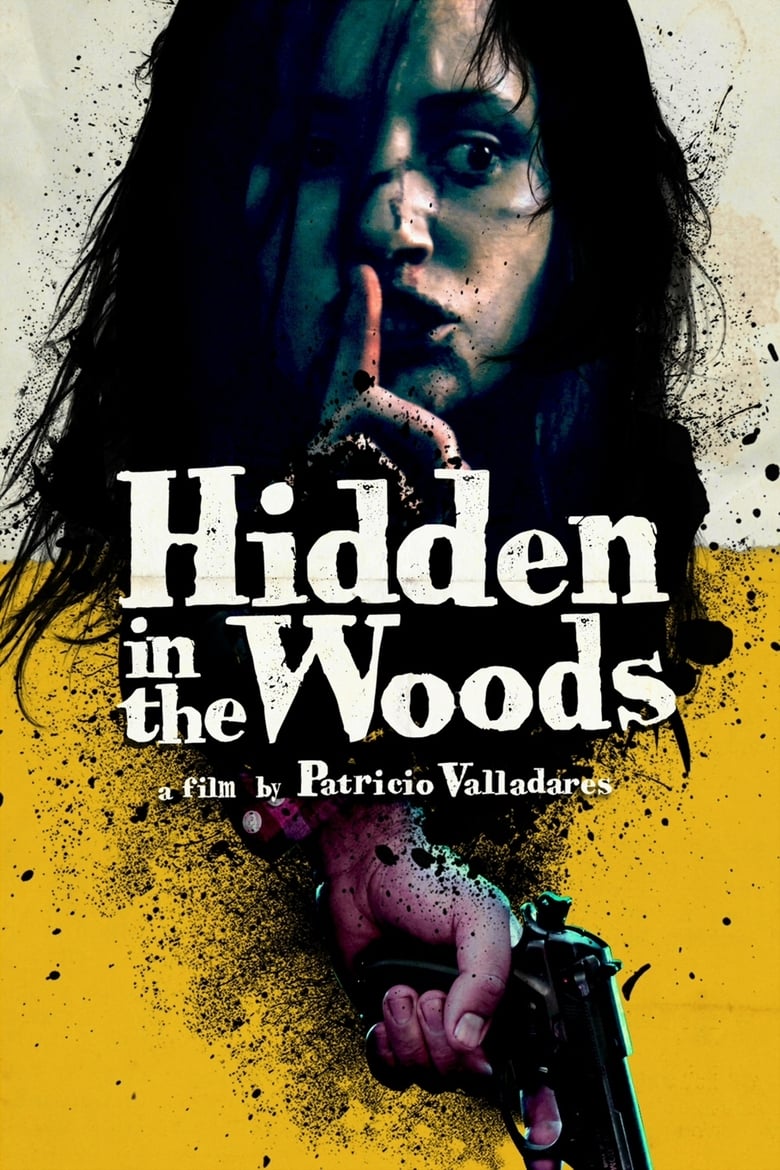
2012
NRDirector
Patricio Valladares
Runtime
93 minutes
Average Rating
No ratings yetSynopsis
The story of two sisters who have been raised in isolation, subjected to the torment of their abusive, drug dealing father. When they finally decide to report him to the police, he kills the two officers and is put in jail. But things go from bad to worse when the girls must answer to their Uncle Costello, a psychotic drug kingpin, who shows up looking for his missing merchandise which is hidden in the woods.
Overall Score
Fair
Category Breakdown
LGBTQ+ Representation
The film contains no identifiable LGBTQ+ characters or non-heteronormative identities. The narrative focuses exclusively on the survival of the female protagonists against external threats.
Gender Representation
The story centers female agency by framing survival through the 'Final Girl' trope. It subverts patriarchal stability by depicting male characters as sources of predatory dysfunction and chaos.
Racial & Ethnic Diversity
As a Chilean production, the film offers a departure from Hollywood's typical white-centric casting. However, it lacks explicit evidence of intentional intersectional complexity within its character arcs.
Religious & Cultural Diversity
The film deconstructs the sanctity of the nuclear family by portraying the father as a source of trauma. It also depicts a breakdown of social contracts and institutional authority.
Disability Representation
There is no evidence of characters with visible or invisible disabilities. The plot prioritizes physical survival and trauma over themes of neurodivergence or chronic illness.
Strengths
Areas for Improvement
AI Analysis
Hidden in the Woods is a genre-driven survival thriller that finds its strength in subverting traditional gender roles. By positioning two sisters as the central drivers of the plot, the film moves away from passive victimhood and instead uses the 'Final Girl' trope to highlight female agency against a backdrop of male-driven violence. While the film succeeds in deconstructing the patriarchal family unit, it lacks depth in other representational areas. The absence of LGBTQ+ and disability representation keeps the score grounded in standard genre conventions. Its regional Chilean origin provides a necessary break from Anglo-Saxon hegemony, though it does not necessarily guarantee intersectional complexity. Ultimately, the film functions as a critique of traditional authority and familial structures. It presents a world where the male patriarch is a predator rather than a protector, though it remains a relatively narrow exploration of identity.
No reviews yet. Be the first to share your thoughts on this movie!
Use the rating form above to leave a star rating and optional review.