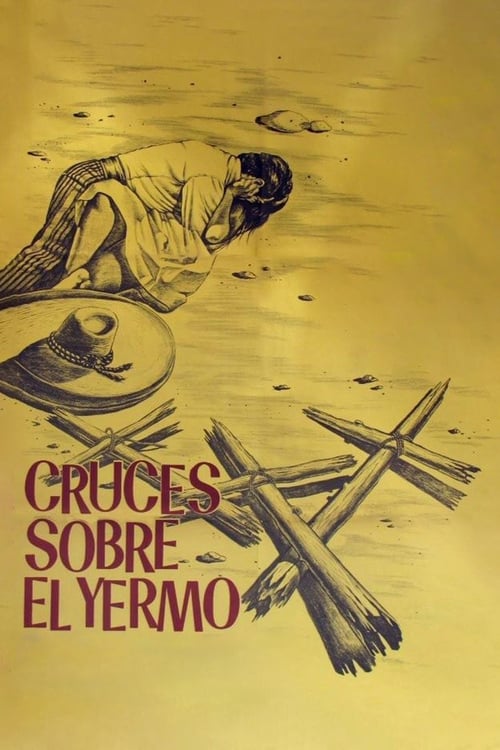
Crosses Over the Wasteland
1967
No user ratings available yet
Representation score: 1.4 out of 10

Representation Score
Minimal
1967
Director
Alberto Mariscal
Runtime
85 minutes
Average Rating
No ratings yetNew Showbiz Analysis
Crisol is a genre-driven piece of mid-century Mexican cinema that emphasizes traditionalist themes. While it provides a cultural alternative to the American Western by centering Mexican creative talent, it lacks multi-layered complexity. The film centers on the individual moral struggle of a protagonist within a conventional framework. It functions more as a study of rugged individualism and violence than a critique of systemic structures. Ultimately, the work reflects the era's standard genre conventions, offering a specific cultural lens without challenging the social hierarchies of the 1960s.
Category Breakdown
The film follows the straight-centered social structures common in 1960s genre filmmaking. It does not include non-assuming gender matches what was assigned at birth gender identities or same-sex narratives.
The narrative likely upholds traditional gender roles. Male characters drive the plot through strong archetypes, while female characters tend to have secondary or domestic roles.
As a Mexican production, the film offers a non-Anglo-Saxon perspective that diverges from Hollywood's predominantly white lens. However, representation remains tied to established frontier archetypes.
The story explores moral complexity through a hired killer's internal conflict. This suggests a departure from absolute morality, though it operates within traditional Western justice frameworks.
There is no evidence of characters with visible or invisible disabilities. Disability is not used as a narrative device in this work.
Present on Screen
Limited or Absent
Official Synopsis
Hired killer is contracted to do a hit... against his better judgement.
1967
1953
1966
1968

1967
1969
1967
1973
No reviews yet. Be the first to share your thoughts on this movie!
Use the rating form above to leave a star rating and optional review.