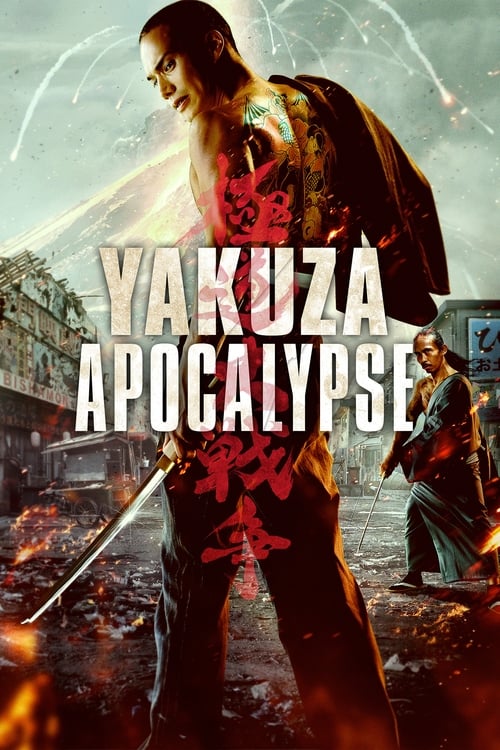
Yakuza Apocalypse
2015
No user ratings available yet
Representation score: 4.8 out of 10
Representation Score
Fair
2015
Director
Hiroshi Shinagawa
Runtime
108 minutes
Average Rating
No ratings yetNew Showbiz Analysis
Deadman Inferno follows typical action-horror comedy clichés, emphasizing male-driven plots and cultural homogeneity. The story revolves around Yakuza hierarchies and family-like bonds, reinforcing conventional social structures. The film explores themes of loyalty and 'chosen family' within the Yakuza subculture. However, it does not extend its scope to include diverse casting or characters who reflect more than one aspect of diversity. Overall, the film adheres to established narrative patterns where male characters drive the plot while female characters play supporting roles.
Category Breakdown
The film does not include characters with non-binary or LGBTQ+ identities. It focuses on traditional male relationships and camaraderie.
The story centers around male characters who take leadership roles and seek adventure. Female characters like Hyuga play important roles but are not the main drivers of the plot.
This Japanese film focuses on the Yakuza, making the cast and setting culturally uniform. It provides a deep look into Japanese organized crime without mixing in different races.
The film delves into the themes of loyalty and family within the Yakuza subculture. However, it sticks to traditional social codes without challenging larger institutions.
The film does not mention any characters with physical disabilities, chronic illnesses, or neurodivergence. There is no visible representation of these conditions.
Present on Screen
Limited or Absent
Official Synopsis
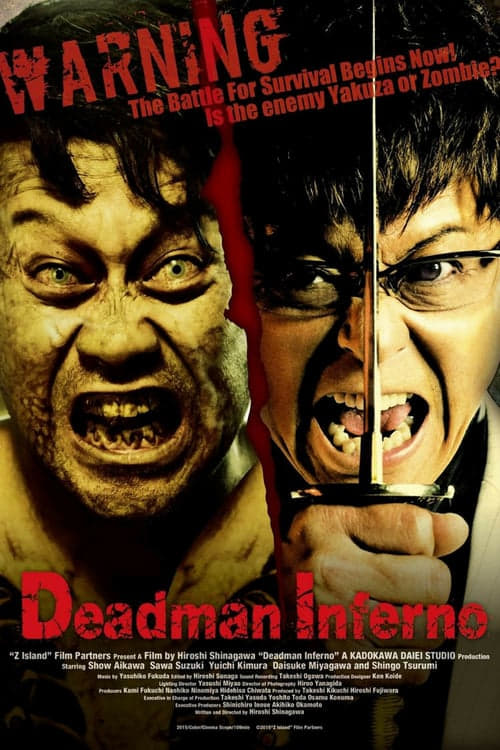
Hiroya Munakata is the leader of the yakuza group Munakata-gumi. After 10 years since the big fight, Hiroya Munakata's non blood-related younger brother Takashi is released from prison, but Takashi’s daughter, Hyuga says she does not want to meet her father and runs away from home. Hiroya, Takashi and Hiroya’s subordinate Shinya go to Zeni Island where Hyuga is headed to. Something they never expected is waiting for them.
2015
2017
2003
2007
2021
1995

1996
1960
No reviews yet. Be the first to share your thoughts on this movie!
Use the rating form above to leave a star rating and optional review.