
Foster's Home for Imaginary Friends: Destination Imagination
2008
No user ratings available yet
Representation score: 7.4 out of 10
Representation Score
Excellent
2004
TV-GDirector
Craig McCracken
Runtime
66 minutes
Average Rating
No ratings yetNew Showbiz Analysis
The film explores identity by shifting the protagonist from a standard domestic environment into an institutionalized community of 'others.' This shift challenges conventional expectations of family and social belonging. By focusing on a communal living structure, the work offers a meaningful alternative to traditional Western institutional ideals. Characters exist in a space where identity is defined by internal essence. While the human cast is limited, the non-human entities serve as tools to explore belonging and the disruption of traditional social hierarchies.
Category Breakdown
The film uses non-human entities as metaphors for identities that exist outside conventional social norms. These characters challenge traditional expectations of companionship and social belonging.
The story challenges traditional domestic roles by questioning the nurturing role of the parent. The sibling dynamic also challenges typical masculine archetypes through Terrence's self-interested motivations.
The cast includes human children alongside a diverse array of non-human entities. This use of non-human species allows the narrative to explore themes of otherness without relying on human racial markers.
The narrative emphasizes communal living over the nuclear family unit. It values individual essence and preservation through the motto of Foster's Home, rather than social conformity.
Imaginary friends can be seen as representations of cognitive diversity. The characters validate non-normative cognitive experiences and diverse mental landscapes.
Present on Screen
Limited or Absent
Official Synopsis
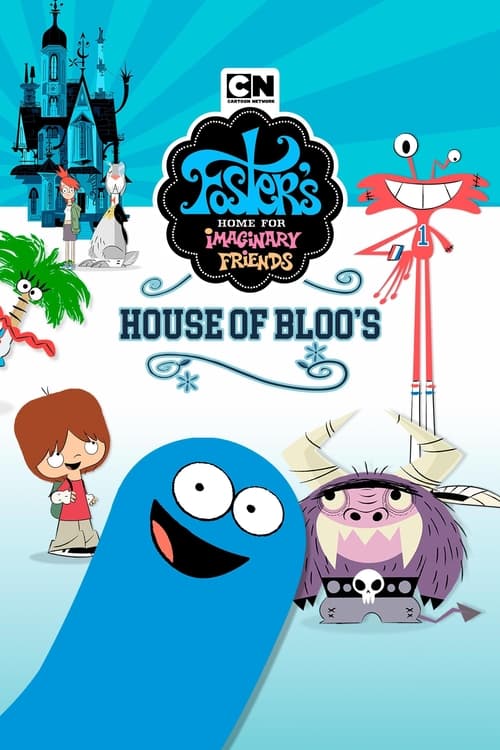
Eight-year-old Mac and his imaginary friend Blooregard Q. Kazoo (or "Bloo" for short) often get into fights with his 13-year-old brother Terrence. When Mac's mother tires of this behavior, she tells him that he has outgrown his age to have an imaginary friend and must get rid of him. Crushed by overhearing their argument, except for Terrence, who is rather pleased, Bloo later comes across a TV commercial for "Foster's Home for Imaginary Friends"--"where good ideas are not forgotten," according to the motto.
2008
1988
1985
2009

2020
2018
1999
2008
No reviews yet. Be the first to share your thoughts on this movie!
Use the rating form above to leave a star rating and optional review.