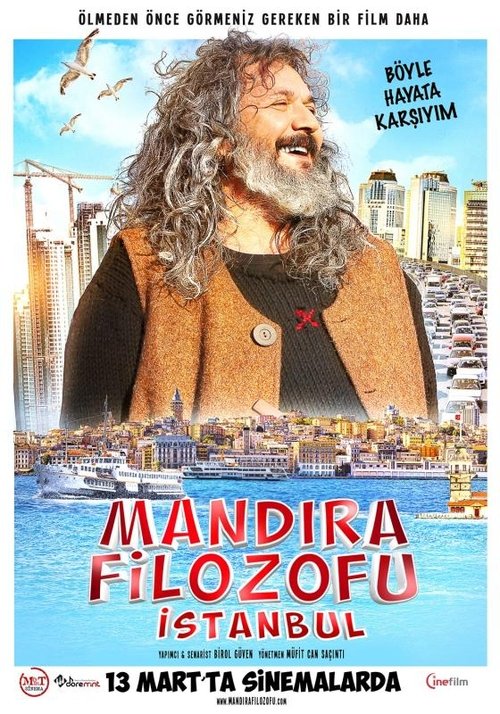
Mandıra Filozofu: İstanbul
2015
No user ratings available yet
Diversity score: 4.0 out of 10
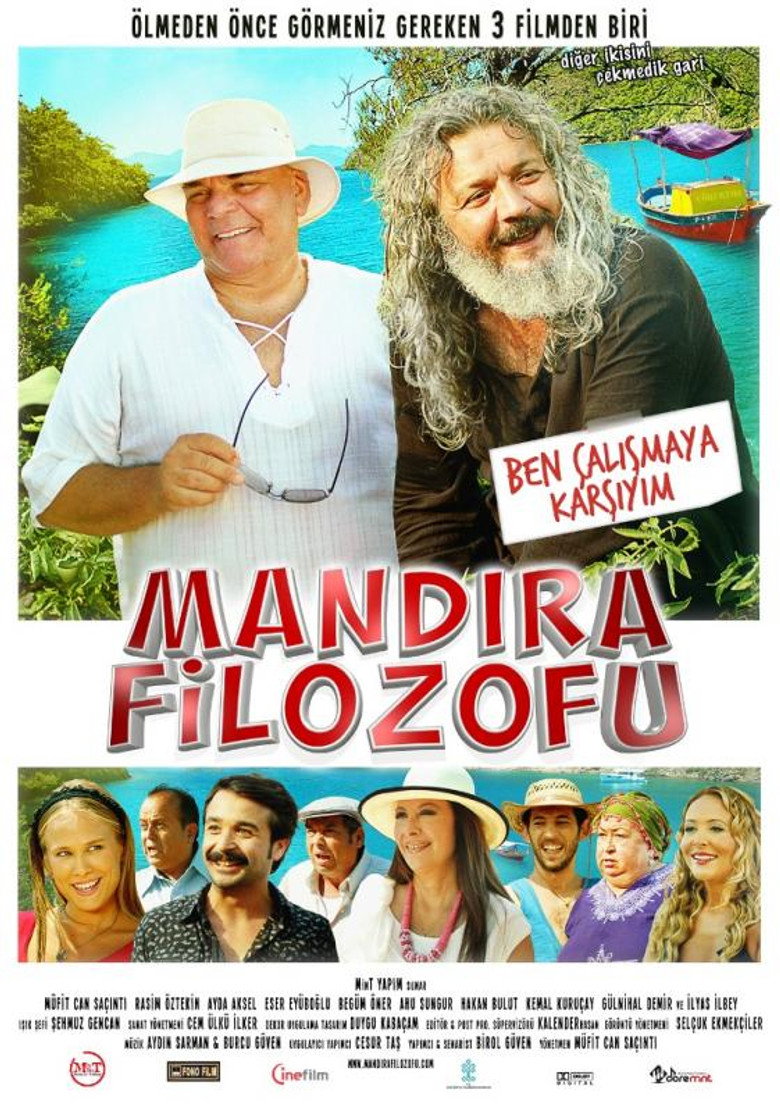
2014
Director
Müfit Can Saçıntı
Runtime
109 minutes
Average Rating
No ratings yetSynopsis
Mustafaali, as a person who left the modern life behind him and lives in Cokertme Village, spends his days by reading books. Mustafaali, a person who is against working, satisfies all his vital needs from the blessing of nature. Cavit, on the other hand, is a rich businessman who lives in Istanbul. He has worked in his entire life and all he matters is to work, to earn and to make savings. Cavit's life becomes upside down after he met Mustafaali when he wants to buy Mustafaali's land to build a boutique hotel in Cokertme Bay. Living far from the modern life in his small land under the natural circumstances, Mustafaali's philosophy confuses Cavit who is a person from a big city.
Overall Score
Fair
Category Breakdown
LGBTQ+ Representation
The film contains no evidence of LGBTQ+ characters or non-cisnormative identities. The narrative focuses entirely on the philosophical tension between urban capitalism and rural simplicity.
Gender Representation
The story centers on a masculine-coded conflict between a businessman and a philosopher. It lacks significant female agency or visible subversions of traditional gender roles.
Racial & Ethnic Diversity
Set in a Turkish village, the cast and setting appear homogeneous. The film reflects a specific regional context without utilizing diverse casting to challenge the ethnic landscape.
Religious & Cultural Diversity
The film offers a strong critique of capitalist values and modern labor. It prioritizes secular, philosophical inquiry and individual wisdom over traditional religious or institutional morality.
Disability Representation
There is no indication of characters with visible or invisible disabilities. Disability is not used as a narrative device within the film's philosophical framework.
Strengths
Areas for Improvement
AI Analysis
Mandıra Filozofu functions primarily as a philosophical critique of socioeconomic structures rather than a study of demographic diversity. The narrative relies on a binary character study to contrast material accumulation with minimalist existence. While the film lacks representation for LGBTQ+ individuals, people with disabilities, or diverse ethnic groups, it excels in cultural commentary. It successfully deconstructs the 'work-to-earn' cycle by framing a rejection of labor as a pursuit of wisdom. Ultimately, the film's impact is found in its ideological disruption of modern life. It trades traditional demographic breadth for a deep, intentional exploration of anti-materialist values.
2015

1978

1999

2008

1981
1984

2017

2009

2016
1961

2015
2023
No reviews yet. Be the first to share your thoughts on this movie!
Use the rating form above to leave a star rating and optional review.