
Red Eagle: The Movie
2011
No user ratings available yet
Representation score: 2.5 out of 10

Representation Score
Fair
2025
RDirector
Nick Hamm
Runtime
133 minutes
Average Rating
No ratings yetNew Showbiz Analysis
William Tell blends inclusive casting with a narrative that critiques systemic oppression. By using diverse actors to depict a 14th-century European setting, the film moves beyond typical period-piece conventions. However, the central romantic arcs and male-led physical action follow conventional patterns. The film's strength lies in its thematic exploration of the underdog's struggle against a corrupt, established order.
Category Breakdown
The film adheres to traditional assumptions about straight relationships, focusing on the romance between Bertha and Rudenz without any clear depiction of LGBTQ+ identities or subtext.
Bertha stands out as a key figure challenging her uncle's patriarchal rule. She breaks away from submissive female roles, though the main physical conflict is led by William Tell.
Casting Golshifteh Farahani introduces a more diverse perspective, offering a broader view of the 14th-century Holy Roman Empire.
The film portrays the Habsburg monarchy as corrupt and oppressive, framing the Swiss rebellion as a response to systemic state brutality.
There is no indication of the portrayal of physical or neurodivergent disabilities in the available plot details.
Present on Screen
Limited or Absent
Official Synopsis
The narrative unfolds in the 14th Century, when the European nations vie for supremacy within the Holy Roman Empire. The ambitious Austrian Empire, desiring more land, invades neighbouring Switzerland, a serene and pastoral nation. Protagonist William Tell, a formerly peaceful hunter, finds himself forced to take action as his family and homeland come under threat from the oppressive Austrian King and his ruthless warlords.
2011

2008
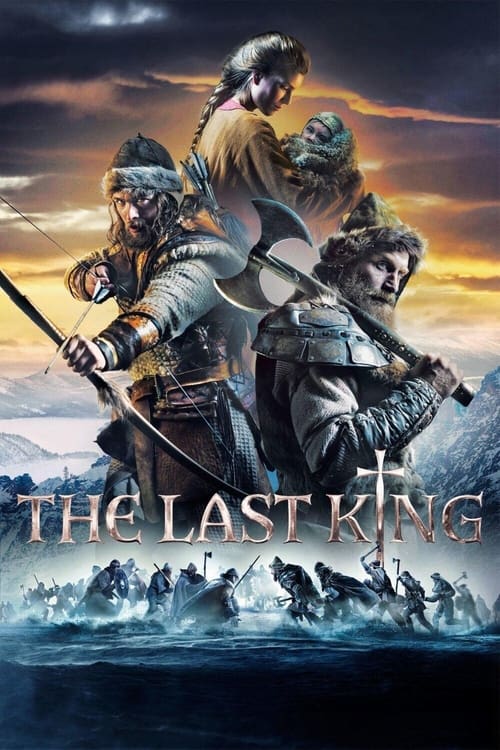
2016

1967
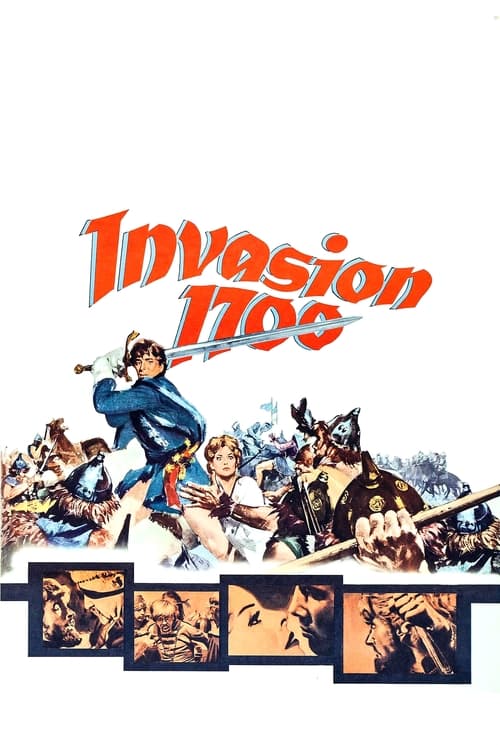
1962
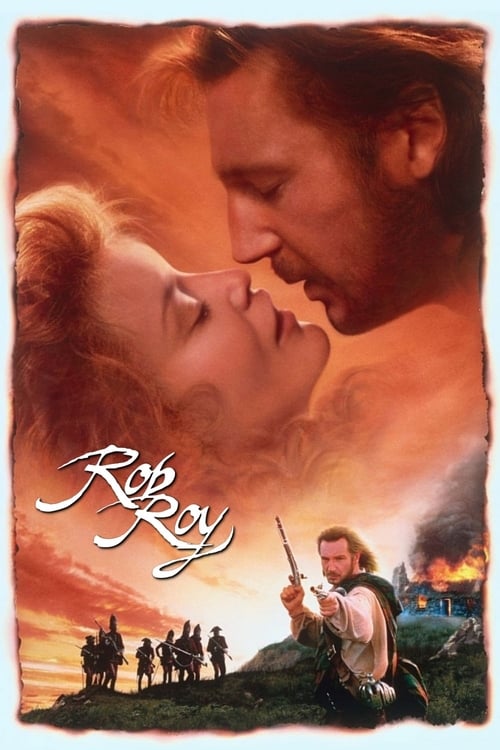
1995

2019

2011
No reviews yet. Be the first to share your thoughts on this movie!
Use the rating form above to leave a star rating and optional review.