Treacherous Crossing
1992
No user ratings available yet
Representation score: 3.4 out of 10
Representation Score
Limited
2006
TV-PGDirector
Brian Trenchard-Smith
Runtime
88 minutes
Average Rating
No ratings yetNew Showbiz Analysis
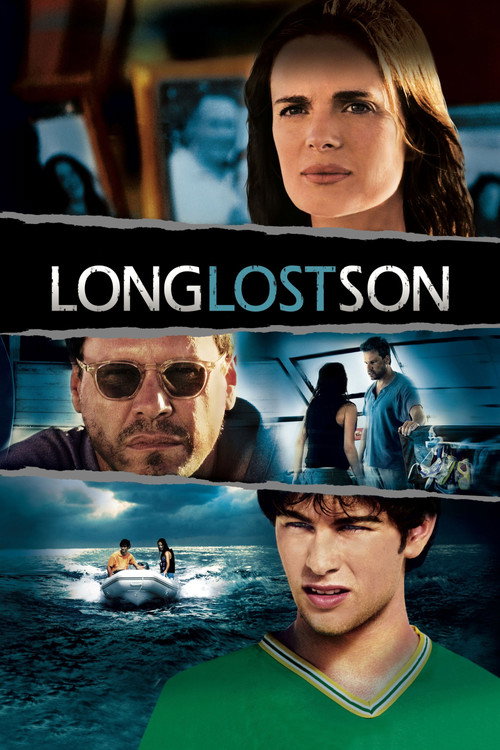
Long Lost Son is a conventional domestic mystery that prioritizes traditional familial structures. The narrative follows standard genre clichés, offering little room for the subversion of social hierarchies or the inclusion of multi-layered identities. While the film provides a female lead with significant emotional ability to act, the central conflict remains rooted in the restoration of a traditional patriarchal unit. The storytelling leans toward a sentimental exploration of personal history and loss rather than progressive social commentary. Overall, the production reflects the homogeneous casting and thematic norms typical of mid-2000s television movies, focusing on a narrow, traditional view of family and identity.
Category Breakdown
The story focuses on a traditional nuclear family unit. There is no evidence of LGBTQ+ identities or narratives that critique heterosexuality.
Kristen serves as a female protagonist with significant emotional ability to act. However, the plot centers on the recovery of a patriarchal family unit.
The film appears to follow conventional, homogeneous casting patterns. There is no evidence of a multi-ethnic cast or characters challenging historical norms.
Themes align with traditional Western values regarding family permanence. The narrative reinforces the importance of the nuclear family rather than critiquing it.
The film explores the psychological impact of trauma and grief. There is no specific evidence regarding the portrayal of visible or invisible disabilities.
Present on Screen
Limited or Absent
Official Synopsis
Fourteen years after her son and estranged husband were presumed lost at sea, Kristen believes she glimpses them in the background of a friend's recent vacation video.
1992

1999

1996
2007
2009

2001

1996
2007
No reviews yet. Be the first to share your thoughts on this movie!
Use the rating form above to leave a star rating and optional review.