
A Sister's Obsession
2018
No user ratings available yet
Representation score: 2.7 out of 10

Representation Score
Fair
2018
RDirector
Theresa Rebeck
Runtime
100 minutes
Average Rating
No ratings yetNew Showbiz Analysis
Trouble is a character-driven study of interpersonal friction rather than a vehicle for exploring broader social issues or identity. The narrative focuses on the psychological dynamics of a specific family feud, resulting in a lack of multi-layered depth. The film leans towards a homogeneous demographic and traditional domestic dysfunction, rather than progressive storytelling or diverse representation.
Category Breakdown
The film does not include any explicit LGBTQ+ character arcs or narratives. The story centers around a conflict between a brother, a sister, and an old friend.
The story features a balanced distribution of ability to act between male and female characters. Prominent actresses such as Anjelica Huston and Julia Stiles play significant roles in the narrative.
The cast appears predominantly white and Anglo-Saxon. Although Victor Williams is part of the ensemble, the narrative focuses on a homogeneous demographic centered on a family feud.
The film deconstructs the idealized family unit through its feuding protagonists. It portrays traditional domestic stability as a site of dysfunction rather than social cohesion.
There is no evidence of characters with visible or invisible disabilities in the provided cast or plot details.
Present on Screen
Limited or Absent
Official Synopsis
A feuding brother and sister entangle the fate of an old friend.
2018
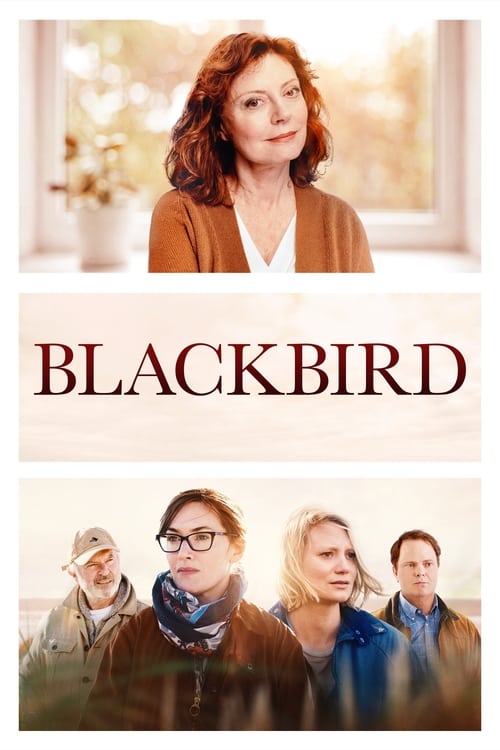
2019
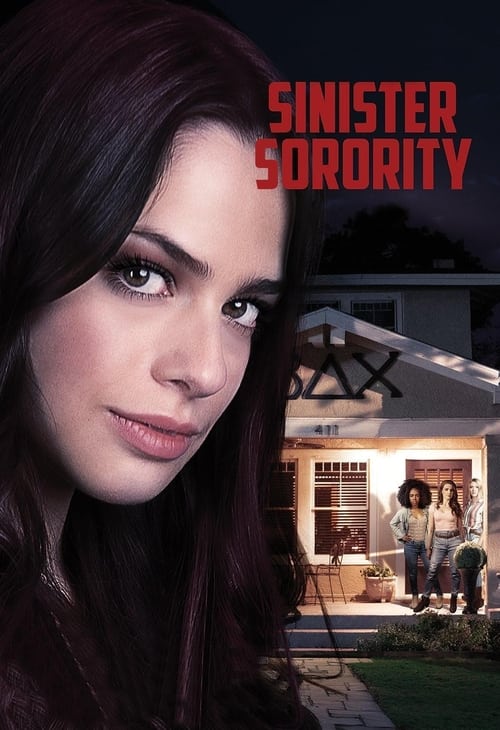
2021
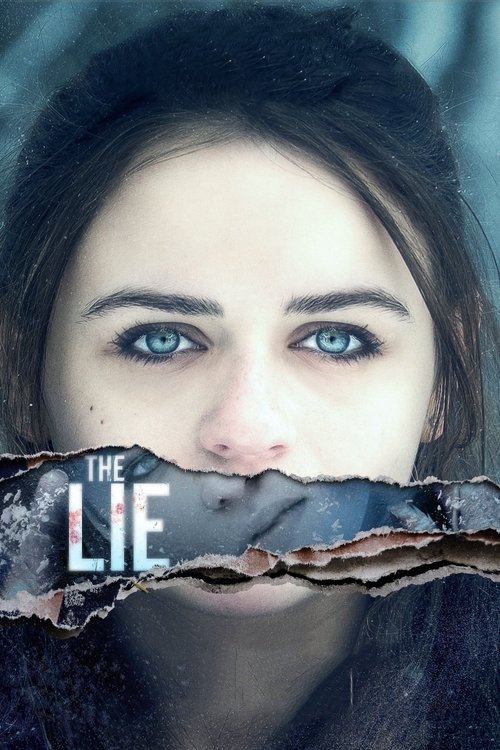
2018
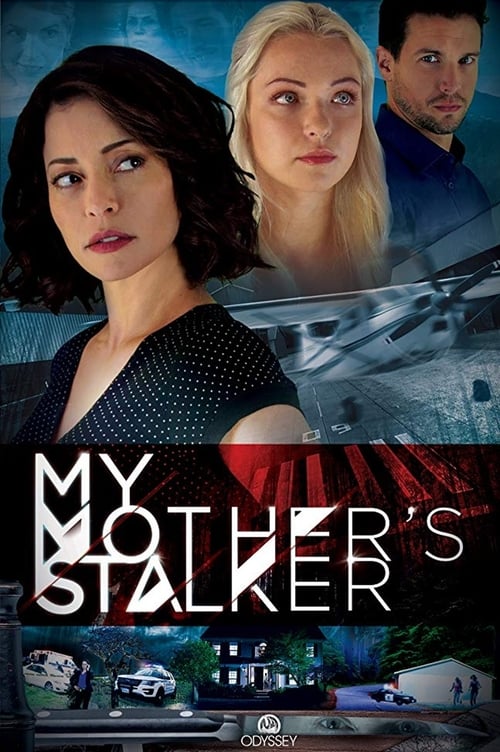
2019

2024
2022
2022
No reviews yet. Be the first to share your thoughts on this movie!
Use the rating form above to leave a star rating and optional review.