
Pierce
2024
No user ratings available yet
Representation score: 5.5 out of 10
Representation Score
Good
2023
RDirector
Catherine Hardwicke
Runtime
98 minutes
Average Rating
No ratings yetNew Showbiz Analysis
Prisoner's Daughter presents a raw look at the complexities of family life. By focusing on a protagonist dealing with terminal illness and a violent past, the film moves away from idealized family scenarios toward a more nuanced understanding of morality. The narrative stands out for its challenge to traditional gender roles and its emphasis on the psychological impact of trauma. While it lacks specific data on racial or LGBTQ+ representation, it excels in depicting the resilience of women facing abusive situations. Ultimately, the film serves as a character-driven exploration of vulnerability, using physical and social instability to question conventional ideas of strength and redemption.
Category Breakdown
The film does not explicitly address LGBTQ+ identities or relationships that go beyond the assumption that everyone is straight. The story focuses on the biological connection between Max, his daughter, and his grandson.
The story centers on the survival and trauma experienced by women, shifting the focus to the resilience of the daughter. It challenges traditional masculine roles by presenting a protagonist who is physically compromised rather than a traditional provider.
No information is available regarding the racial or ethnic identities of the cast. Consequently, a definitive score for racial and ethnic diversity cannot be assigned.
The film critiques traditional family ideals by highlighting domestic instability and systemic issues. It explores the cycle of trauma through themes of addiction and social fragility.
Max’s terminal cancer is a central part of his character development, rather than just a plot device. This portrayal examines the intersection of physical vulnerability and personal growth.
Present on Screen
Limited or Absent
Official Synopsis
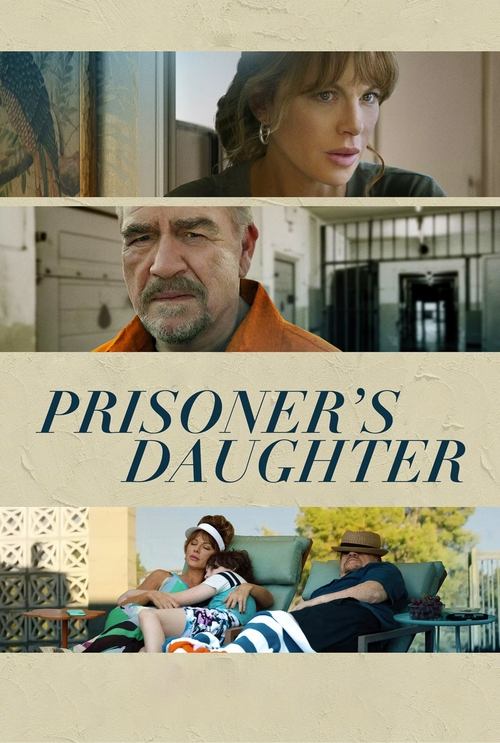
Released from prison with terminal cancer, Max tries to reconnect with his estranged daughter and the grandson he’s never known. When his daughter’s abusive, drug-addicted ex-husband reappears, Max’s violent past comes back to haunt them all.
2024

2006

2012

2020

2005

2016

2022

2021
No reviews yet. Be the first to share your thoughts on this movie!
Use the rating form above to leave a star rating and optional review.