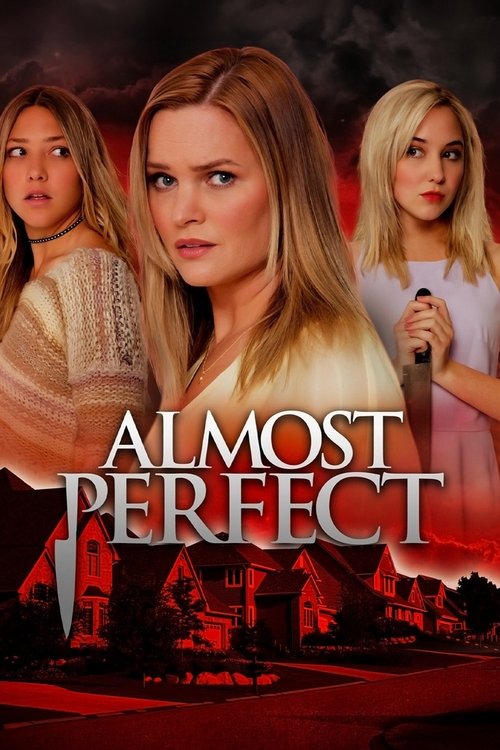
Almost Perfect
2019
No user ratings available yet
Representation score: 1.4 out of 10

Representation Score
Limited
2021
TV-PGDirector
Curtis Crawford
Runtime
85 minutes
Average Rating
No ratings yetNew Showbiz Analysis
The film functions as a domestic thriller centered on interpersonal conflict within an adoptive family. While the main character drives the plot emotionally, the narrative structure adheres to standard genre clichés rather than exploring multiple aspects of identity. The story relies on a traditional heterosexual framework and conventional domestic dynamics. There is a lack of visible representation regarding race, disability, or non-assuming gender matches what was assigned at birth identities. Ultimately, the film prioritizes psychological tension over the subversion of social or cultural hierarchies, resulting in a conventional viewing experience.
Category Breakdown
The film focuses on a heterosexual relationship between a man and a woman. It does not include any LGBTQ+ characters or narratives that challenge the assumption that everyone is straight or cisgender.
A twelve-year-old girl drives the plot through her emotional involvement and jealousy. However, the story relies on traditional domestic roles rather than challenging gender norms.
The synopsis does not specify the racial or ethnic identities of the characters. Therefore, the film’s approach to racial diversity remains unexamined.
The narrative explores adoptive family dynamics, which can challenge traditional biological kinship norms. However, the conflict follows conventional Western storytelling clichés.
The plot does not feature neurodivergence, physical disabilities, or mental health conditions as central elements of the characters' identities.
Present on Screen
Limited or Absent
Official Synopsis
A 12-year-old girl becomes jealous when her adoptive father develops a budding relationship with a woman and her teenage son.
2019

2023

2016

2024

2019

2022

2021

2024
No reviews yet. Be the first to share your thoughts on this movie!
Use the rating form above to leave a star rating and optional review.