
Conqueror of the Moon
1960
No user ratings available yet
Representation score: 3.5 out of 10
Representation Score
Minimal
1946
Director
Jaime Salvador
Runtime
98 minutes
Average Rating
No ratings yetNew Showbiz Analysis
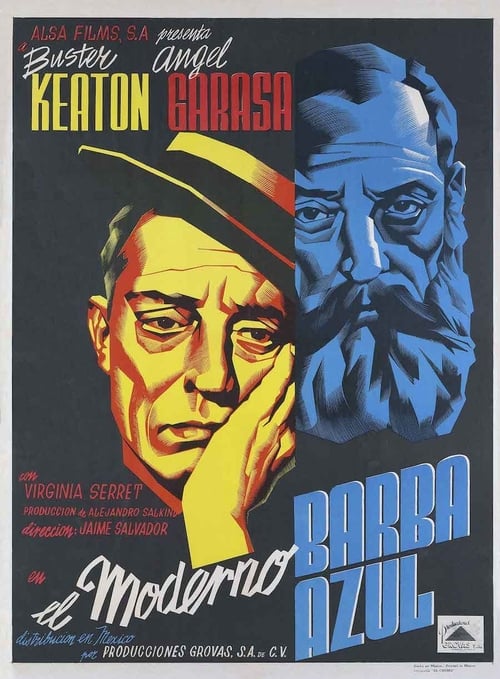
Boom in the Moon primarily serves as a platform for Buster Keaton's physical comedy, using a 'fish out of water' scenario to drive its slapstick humor. While it offers a rare cross-cultural collaboration by filming in Mexico, the character dynamics remain largely conventional for the era. The film achieves geographical displacement by placing the American protagonist in a Mexican environment, providing a moderate level of cultural friction that sets it apart from typical Hollywood productions of the 1940s. Ultimately, the production emphasizes situational irony over identity-based depth. It lacks the development of characters with intersecting identities or the subversion of systemic hierarchies necessary to move beyond a traditional comedic framework.
Category Breakdown
The film does not include any LGBTQ+ characters or themes. The plot revolves around traditional comedic structures based on mistaken identity.
The story centers on male characters, including Keaton and his counterparts. There is no indication of significant women's ability to drive the story in the narrative.
The film places an American soldier in a Mexican fishing village, creating a unique cross-cultural interaction. This setting deviates from the typical Anglo-centric focus of 1940s cinema.
The story uses situational absurdity to challenge institutional authority. However, it remains a traditional comedy without explicit social or anti-Western commentary.
There is no evidence of characters with physical, sensory, or neurodivergent disabilities within the film's narrative.
Present on Screen
Limited or Absent
Official Synopsis
An American soldier marooned in Mexico is mistaken for a wife-butchering serial killer.
1960

1929
1953

1986

1958

1956

1943

1959
No reviews yet. Be the first to share your thoughts on this movie!
Use the rating form above to leave a star rating and optional review.