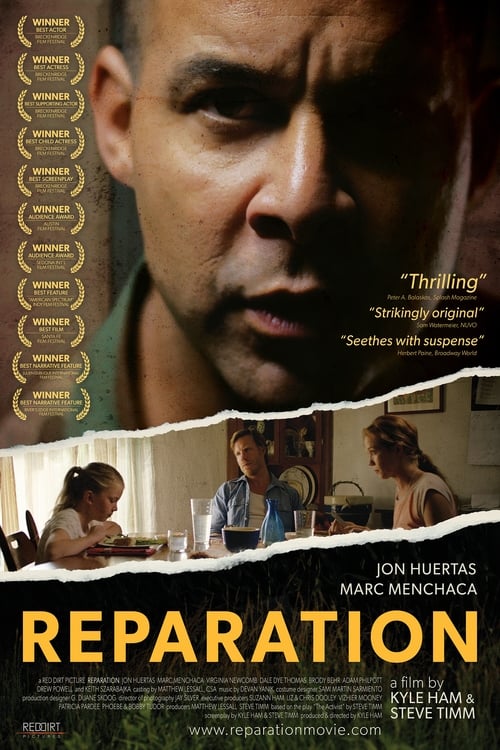
Reparation
2016
No user ratings available yet
Representation score: 3.5 out of 10

Representation Score
Fair
2016
PG-13Director
Nicholas DiBella
Runtime
92 minutes
Average Rating
No ratings yetNew Showbiz Analysis
Wildflower operates within a traditional dramatic framework, prioritizing individual redemption and spiritual reconciliation over the exploration of systemic power dynamics. While the film features a female lead, the narrative remains rooted in conventional moral structures typical of the Christian film genre. The representation of identity is largely limited to individual casting choices rather than a broader, multi-layered approach. The themes of forgiveness and trauma appear to reinforce established social and religious norms rather than challenging them. Ultimately, the film functions as a character study of survival and memory. It lacks the subversive elements necessary to move beyond standard genre clichés regarding gender, race, and culture.
Category Breakdown
The film does not include LGBTQ+ characters or narratives that question the assumption that everyone is straight or cisgender. It follows a conventional dramatic structure focused on personal trauma and recovery.
A female protagonist drives the narrative as she navigates personal trauma and takes control of her journey toward healing and restorative justice.
The presence of Nathalia Ramos in a lead role suggests some racial diversity. However, the film lacks evidence of a multi-ethnic ensemble or systemic inclusion.
The story relies heavily on traditional Western and religious frameworks. Themes of forgiveness suggest a narrative that reinforces established spiritual and social institutions.
The plot explores psychological trauma and suppressed memories, touching on mental health. However, it risks using trauma as a plot device rather than exploring mental health issues with nuance.
Present on Screen
Limited or Absent
Official Synopsis
When a college student starts having a reoccurring nightmare, she begins to believe that it's a suppressed memory. Her search to find the answers forces her to confront her past traumas, while at the same time, helps her unlock a mystery that may bring a killer to justice.
2016

2013
2015

2018

2017

2021
2013
2015
No reviews yet. Be the first to share your thoughts on this movie!
Use the rating form above to leave a star rating and optional review.