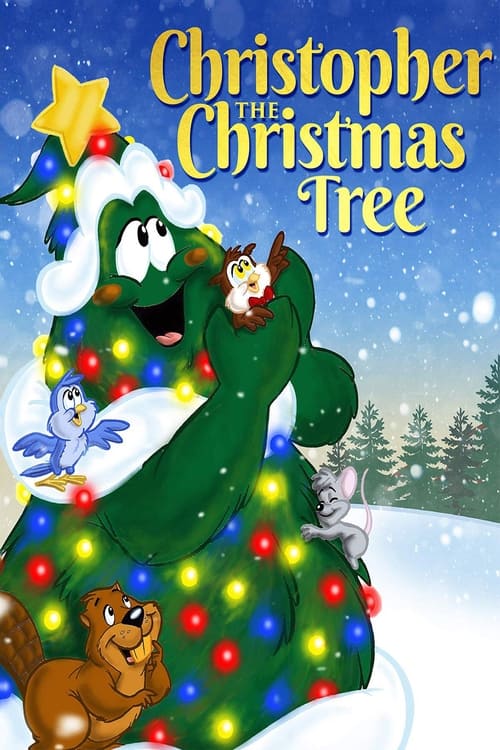
Christopher the Christmas Tree
1993
No user ratings available yet
Representation score: 1.3 out of 10
Representation Score
Minimal
1953
Director
Mabel Beaton
Runtime
27 minutes
Average Rating
No ratings yetNew Showbiz Analysis
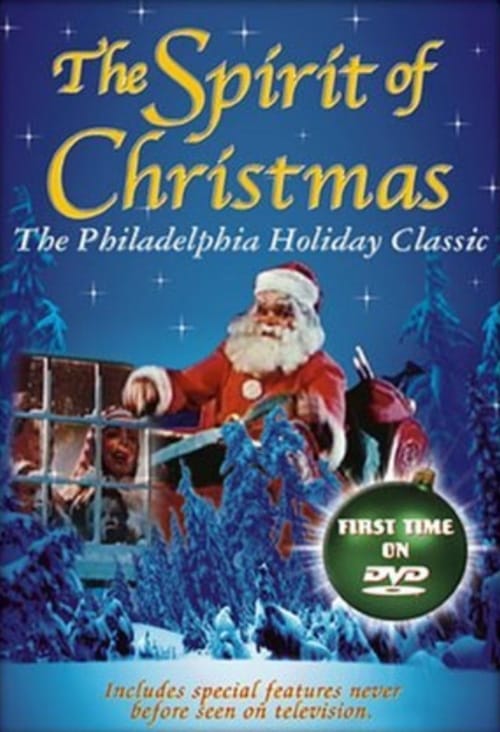
The Spirit of Christmas (1953) serves as a cultural artifact of mid-century traditionalism. Its narrative structure is designed to reinforce established religious and social hierarchies rather than disrupt them. By prioritizing the preservation of Western seasonal traditions and Christian iconography, the film maintains a very narrow social scope. The production functions as a vehicle for conventional moral frameworks. It focuses on classical, instructional storytelling typical of mid-century corporate-sponsored programming, which inherently lacks progressive representation or multi-layered depth.
Category Breakdown
The film focuses on secular folklore and religious narratives. It does not depict any non-straight relationships or identities, sticking closely to the social structures of the 1950s.
The production relies on traditional marionette storytelling. It reinforces mid-century gender roles without challenging established hierarchies through character development.
Content centers on Western literary and religious traditions. The casting likely reflects the homogeneous demographic standards of the 1953 Philadelphia area.
The film promotes singular Christian morality through a reverent Nativity depiction. It prioritizes a traditionalist worldview aligned with mid-20th-century American values.
There is no mention of characters with visible or invisible disabilities. The focus remains on the dramatization of established myths and seasonal stories.
Present on Screen
Limited or Absent
Official Synopsis
This Christmas film, created as a special for television broadcast throughout the Philadelphia, Pennsylvania viewing region, was produced by puppeteer Mabel Beaton and her husband Les for Bell Telephone Company and first aired in 1953. Following a short live-action opening portion, featured are two extended marionette segments, the first dramatizing Clement Moore's "A Visit from St. Nicholas", the second reverently telling the Nativity story; the two stories are staged in classic, traditional style. From 1953 onward, for several years, The Spirit of Christmas was broadcast in the intended region multiple times per holiday season. It was also available as a 16mm film licensed to schools for showings to students. This film often is misstated to have originally been broadcast in 1950.
1993
1969
1968
1994
1974
2001
1992
1990
No reviews yet. Be the first to share your thoughts on this movie!
Use the rating form above to leave a star rating and optional review.