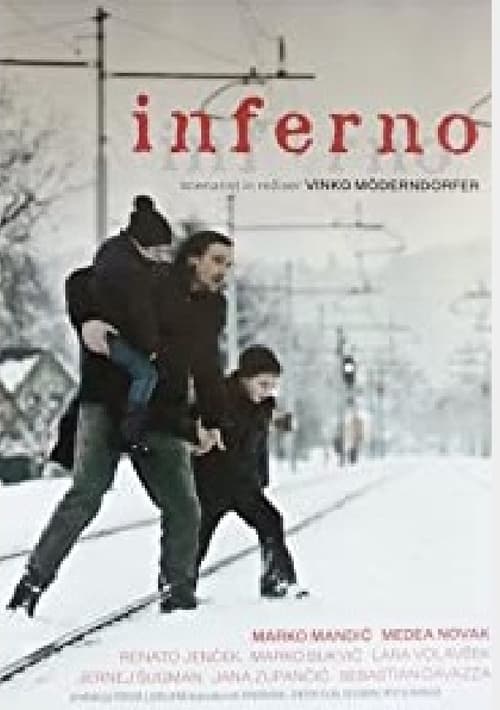
Inferno
2014
No user ratings available yet
Representation score: 4.7 out of 10

Representation Score
Fair
2020
Director
Vinko Möderndorfer
Runtime
87 minutes
Average Rating
No ratings yetNew Showbiz Analysis
Deadlock is a social realist study that prioritizes systemic friction over individual drama. By forcing an intersection between two married couples from opposite social classes, the film dismantles the insulation of class hierarchies through a single, transformative night. The narrative structure uses a tragic catalyst to examine how socioeconomic divides influence human ability to act and domestic stability. This structural choice allows for a deep critique of the perceived boundaries of social standing. While the film excels at exploring class-based tensions and cultural social structures, it lacks explicit representation of multi-ethnic ensembles or LGBTQ+ identities. The focus remains tightly bound to European social stratification.
Category Breakdown
The film focuses primarily on class and marriage. There is no explicit evidence of non-straight relationships being central to the plot.
The narrative centers on married couples, providing a framework to examine power dynamics. High-stress situations likely disrupt conventional domestic hierarchies and patriarchal leadership.
As a Slovenian production, the film is situated in a specific European context. The focus remains on internal social stratification rather than a multi-ethnic ensemble.
The story offers a progressive critique of Western social structures. It uses class tension to challenge the perceived stability of traditional social hierarchies.
There is no evidence regarding the inclusion of characters with visible or invisible disabilities.
Present on Screen
Limited or Absent
Official Synopsis
Two married couples from opposite social classes are brought together in a single night following a tragic event that will change the rest of their lives.
2014
2020

2013
2019
2011
2011
2007
2021
No reviews yet. Be the first to share your thoughts on this movie!
Use the rating form above to leave a star rating and optional review.