
The Grand Bizarre
2018
No user ratings available yet
Diversity score: 7.3 out of 10
2013
Director
Jodie Mack
Runtime
41 minutes
Average Rating
No ratings yetSynopsis
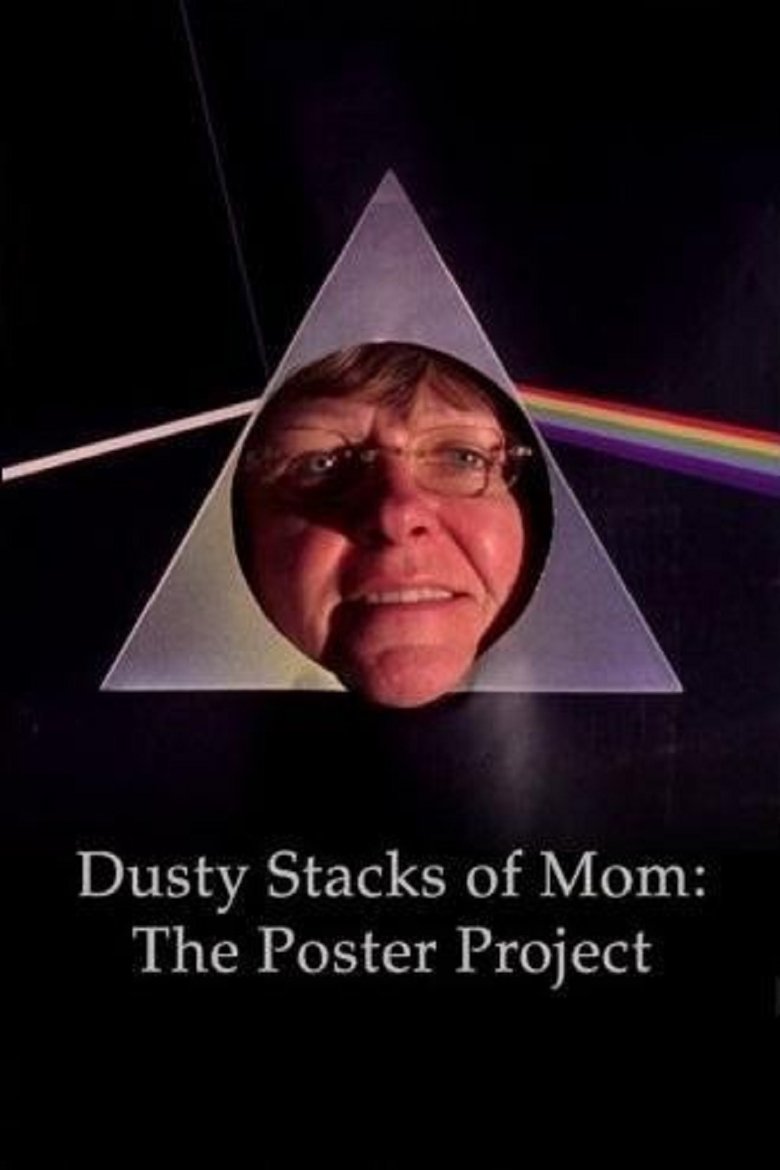
Interweaving the forms of personal filmmaking, abstract animation, and the rock opera, this animated musical documentary examines the rise and fall of a nearly-defunct poster and postcard wholesale business; the changing role of physical objects and virtual data in commerce; and the division (or lack of) between abstraction in fine art and psychedelic kitsch. Using alternate lyrics as voice over narration, the piece adopts the form of a popular rock album reinterpreted as a cine-performance.
Overall Score
Fair
Category Breakdown
LGBTQ+ Representation
The film focuses on the semiotics of posters and postcards rather than character-driven narratives. While psychedelic aesthetics often intersect with queer visual cultures, there are no explicit LGBTQ+ identity-based narratives present.
Gender Representation
Jodie Mack’s creative agency drives the narrative, using a female-directed lens to disrupt hierarchies between fine art and kitsch. However, gendered power dynamics remain implicit rather than explicitly depicted through character interactions.
Racial & Ethnic Diversity
The study of wholesale commerce is rooted in Western structures, though the abstract animation offers a non-traditional visual language. There is no evidence of a diverse cast or specific racial narratives.
Religious & Cultural Diversity
The work engages deeply with post-capitalist themes and the shift from physical to virtual data. It uses a rock opera format to critique traditional modes of commerce and Western material culture.
Disability Representation
As an experimental documentary centered on animation and archival imagery, the film provides no evidence regarding the depiction of physical or neurodivergent identities.
Strengths
Areas for Improvement
AI Analysis
Dusty Stacks of Mom: The Poster Project is an experimental documentary that prioritizes systemic critique and material culture over traditional demographic representation. It functions as a cine-performance, using archival fragments to explore the transition from physical objects to virtual data. The film's strength lies in its intellectual disruption of commercial history and its sophisticated engagement with postmodern themes. By deconstructing the division between abstraction and kitsch, it challenges established cultural norms through a unique, non-linear lens. However, the focus on objecthood and aesthetic fragments means that interpersonal identities and specific character arcs are largely absent. The work operates through stylistic subversion rather than explicit social or identity-based storytelling.
No reviews yet. Be the first to share your thoughts on this movie!
Use the rating form above to leave a star rating and optional review.