
Family Tree
2010
No user ratings available yet
Diversity score: 4.8 out of 10
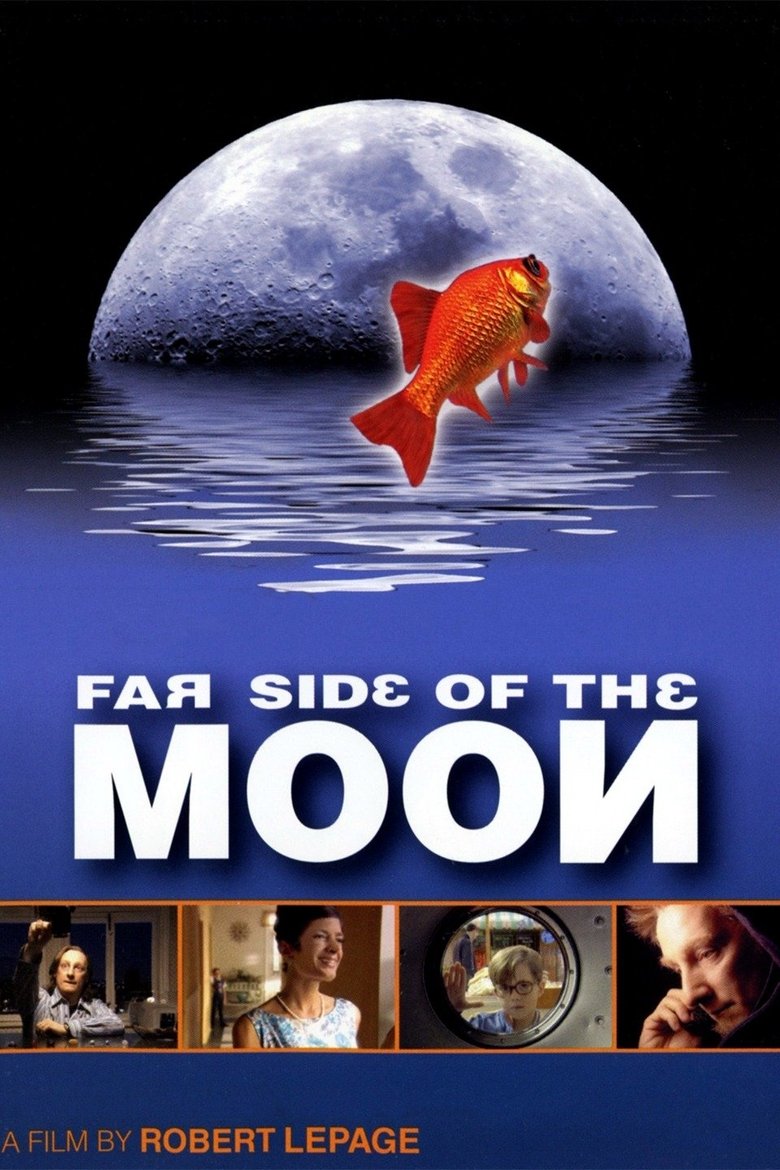
2003
Not RatedDirector
Robert Lepage
Runtime
105 minutes
Average Rating
No ratings yetSynopsis
After the death of his mother, a man tries to discover a meaning to his life, to the universe and to rebuild a relationship with the only family he has left: his gay brother.
Overall Score
Fair
Category Breakdown
LGBTQ+ Representation
The film centers its emotional core on the relationship between the protagonist and his gay brother. This identity is integrated into the narrative framework rather than treated as a peripheral plot device.
Gender Representation
The story focuses heavily on male-centric interpersonal dynamics. While it explores emotional vulnerability, there is little information regarding the agency or presence of female characters.
Racial & Ethnic Diversity
There is insufficient information available to evaluate the racial composition of the cast or the presence of diverse ethnic narratives.
Religious & Cultural Diversity
The narrative prioritizes existential inquiry and secularism over traditional religious frameworks. It critiques standard Western family units by focusing on fractured, unconventional kinship structures.
Disability Representation
The provided context contains no specific evidence regarding the portrayal of physical, neurodivergent, or mental health disabilities.
Strengths
Areas for Improvement
AI Analysis
Robert Lepage’s film offers a progressive look at familial reconciliation by placing a queer character at the heart of the story. By centering the bond between brothers, the film moves away from standard heteronormative expectations and explores identity through a non-traditional lens. The narrative leans into existentialism and individualist philosophy, favoring subjective meaning over institutional or religious structures. This approach deconstructs traditional social norms in favor of a more fluid exploration of human connection. However, the film's scope appears limited in terms of broader demographic representation. The heavy focus on male-centric dynamics and the lack of data regarding racial or disability representation prevents a more comprehensive diversity profile.
2010

2004

2015

2020
2014
2015

1999

2024

2020

2017

2019
2010
No reviews yet. Be the first to share your thoughts on this movie!
Use the rating form above to leave a star rating and optional review.