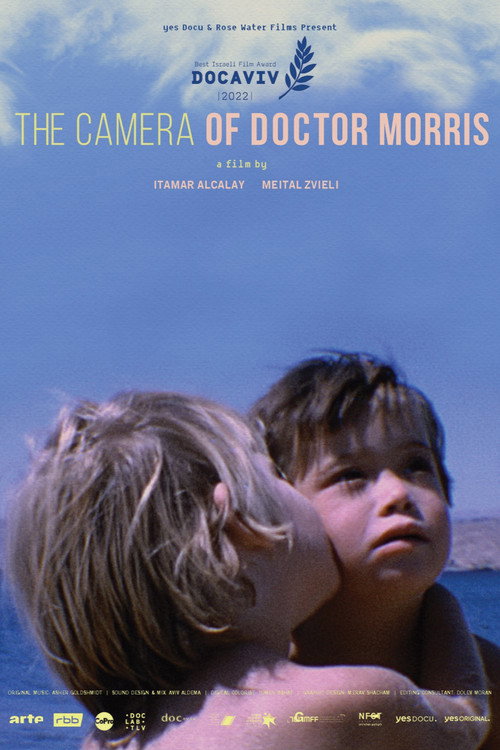
The Camera of Doctor Morris
2022
No user ratings available yet
Representation score: 5.3 out of 10
Representation Score
Good
2011
Director
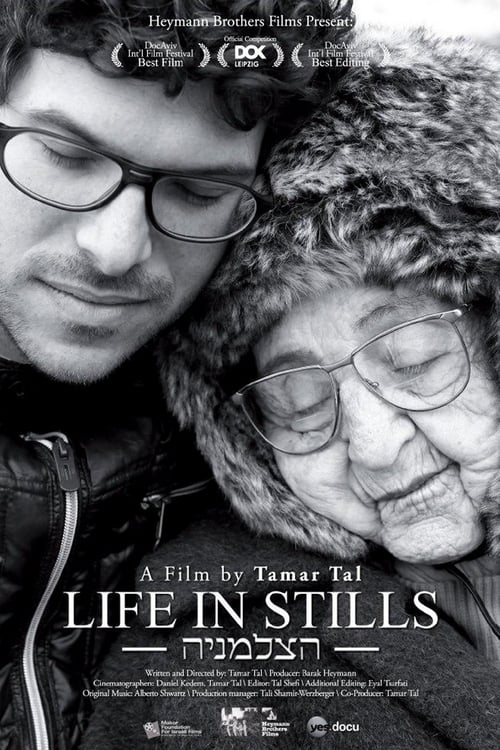
Tamar Tal
Runtime
60 minutes
Average Rating
No ratings yetNew Showbiz Analysis
Life in Stills is a humanistic documentary that showcases the professional autonomy of its female subjects. By focusing on the management of a large photographic archive, the film offers a detailed look at how individuals preserve cultural memory. While the film excels in depicting gendered ability to act, it does not deeply explore diverse identities. It adheres to a traditional biography format without challenging or reinforcing specific social hierarchies. Ultimately, the work is a quiet reflection on memory, avoiding stereotypes but not engaging in the systematic deconstruction of identity found in more progressive films.
Category Breakdown
The film does not focus on LGBTQ+ stories or highlight same-sex relationships as a main theme.
The documentary emphasizes the role of a female shop owner, showing women as active professionals rather than passive characters.
The film is set in Israel and focuses on professional life rather than exploring ethnic or racial hierarchies.
It highlights personal artistic truth and cultural heritage through the lens of preserving historical records.
The film does not prominently depict disabilities or use them as a central element for character development.
Present on Screen
Limited or Absent
Official Synopsis
A photo shop owner and her grandson join forces to save the shop and the nearly one million negatives that document Israel's defining moments.
2022
2011
2011

2019
2011

2024

1983
2001
No reviews yet. Be the first to share your thoughts on this movie!
Use the rating form above to leave a star rating and optional review.