Death Duel
1977
No user ratings available yet
Diversity score: 2.8 out of 10
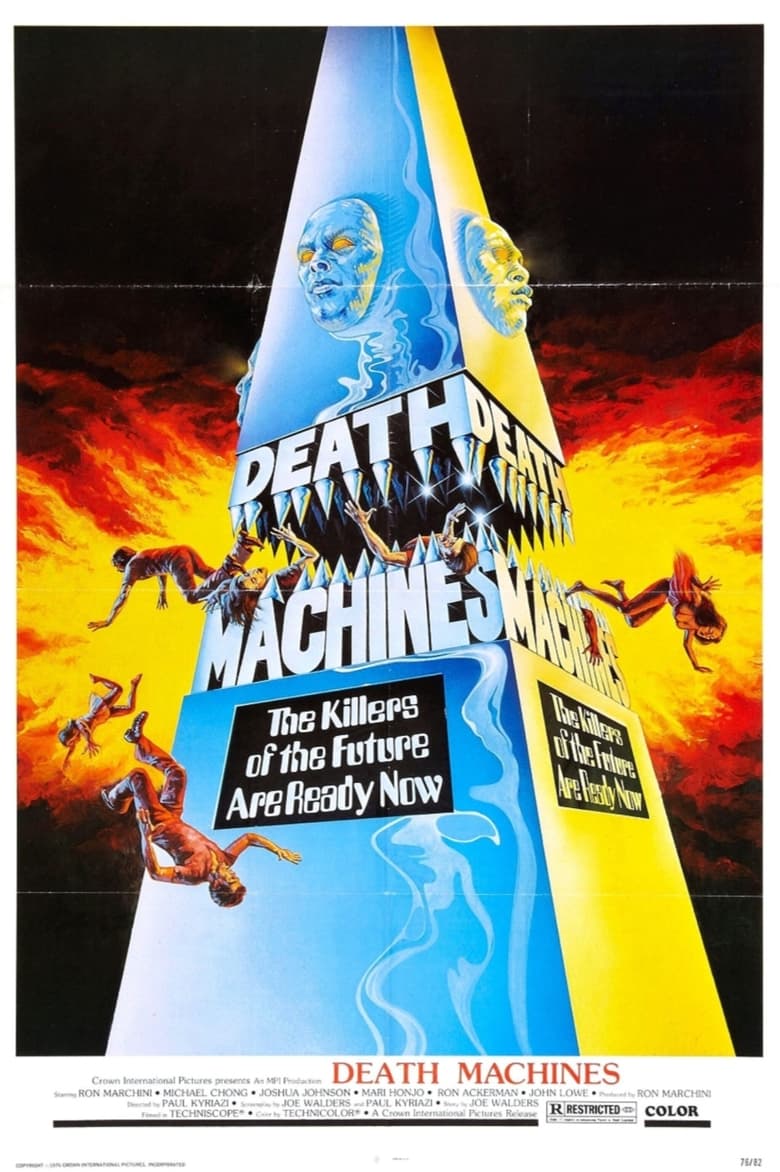
1976
RDirector
Paul Kyriazi
Runtime
93 minutes
Average Rating
No ratings yetSynopsis
Madame Lu has created three "Death Machines," a trio of martial arts experts who have been injected with a special serum, turning them into mindless zombies, capable only of murder, at Lu's command. Tasked with eliminating her enemies, the Death Machines go on a blood-soaked rampage, killing anyone in their path. After they massacre an entire dojo, leaving only one survivor, the Death Machines and Madame Lu herself become the targets of his vengeance...
Overall Score
Limited
Category Breakdown
LGBTQ+ Representation
The film focuses entirely on martial arts combat and vengeance. There is no evidence of non-cisnormative identities or narratives that critique heteronormativity.
Gender Representation
Madame Lu serves as a central figure, but she is framed through a traditional villainous archetype. The film uses her to facilitate a rampage rather than subverting gender hierarchies.
Racial & Ethnic Diversity
The setting and names suggest an East Asian context. However, the film follows standard genre frameworks rather than using casting as a tool for systemic critique.
Religious & Cultural Diversity
The narrative adheres to traditional action-cinema morality centered on individual vengeance. It lacks themes of systemic critique, focusing instead on localized dojo conflicts.
Disability Representation
The 'Death Machines' exist in a mindless, zombie-like state due to a serum. This functions as a plot device for dehumanization rather than portraying lived experiences.
Strengths
Areas for Improvement
AI Analysis
Death Machines is a conventional 1970s exploitation film that prioritizes genre tropes over social complexity. The narrative is driven by a cycle of violence and vengeance, utilizing archetypal characters to move the plot forward. The film lacks the architecture necessary to challenge social hierarchies. It relies on established tropes, such as the villainous female leader and the dehumanization of characters through biological modification. Ultimately, the work functions as a standard action piece. It does not offer meaningful intersectional representation or engage with systemic themes, focusing instead on localized combat and retribution.
1977

1988
1987
1986
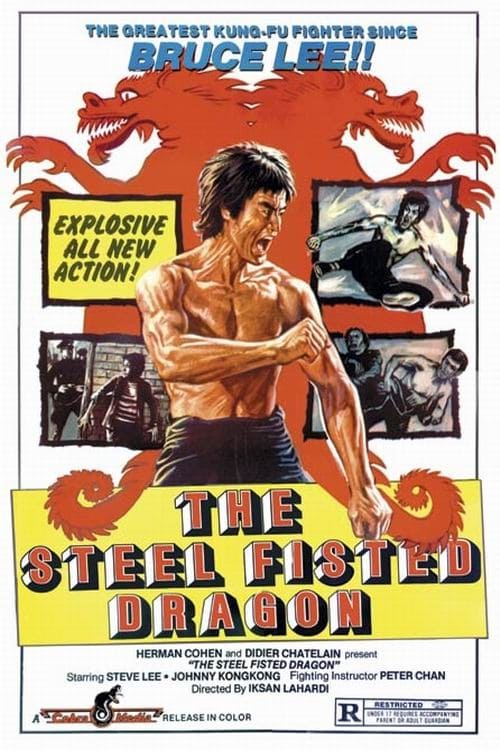
1977
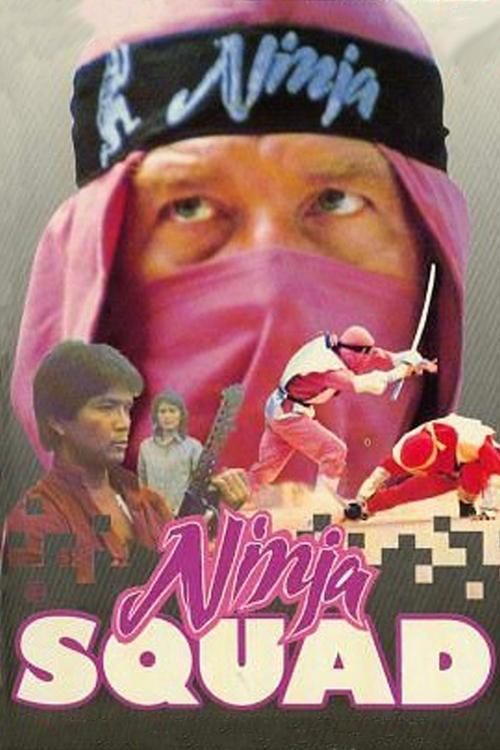
1987
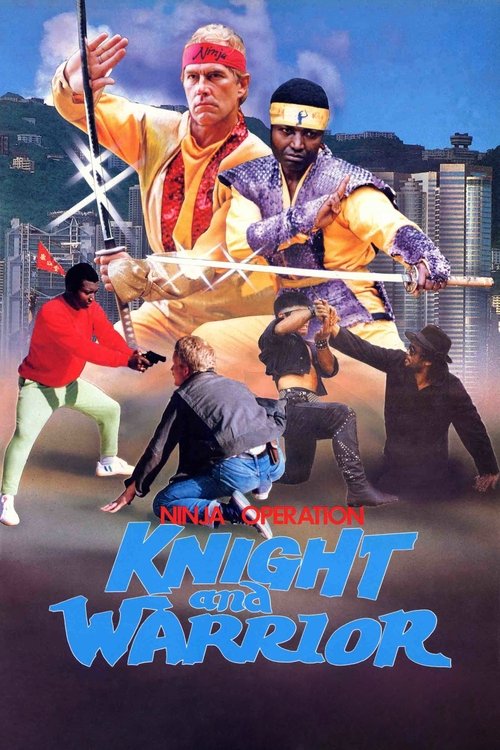
1987
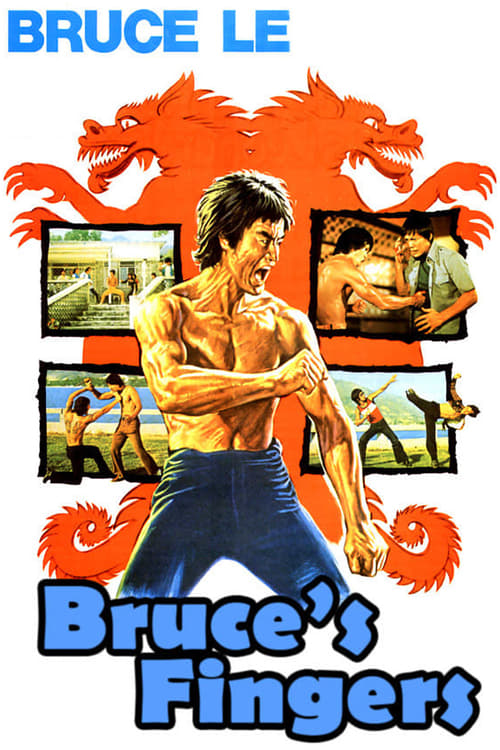
1976
1981

1981
1990
1982
No reviews yet. Be the first to share your thoughts on this movie!
Use the rating form above to leave a star rating and optional review.