
Crossbar
1979
No user ratings available yet
Representation score: 6.1 out of 10
Representation Score
Limited
2017
TV-14Director
Norman Stone
Runtime
125 minutes
Average Rating
No ratings yetNew Showbiz Analysis
The film operates as a typical biographical drama, using specific personal experiences to drive a conventional tragic arc. It focuses on the personal downfall of a single individual rather than broader social structures. While the film highlights the protagonist’s disability, the representation is limited by the context of a criminal trial. This restricts the scope for a deeper discussion on disability beyond the immediate storyline. Overall, the production lacks the intention to challenge traditional storytelling norms and adheres to conventional patterns.
Category Breakdown
The film focuses on the heterosexual relationship between Oscar Pistorius and Reeva Steenkamp. There are no characters with non-binary gender identities or critiques of the assumption that everyone is straight.
Reeva Steenkamp is a key figure, but she is primarily portrayed as a victim of male actions. The story follows a traditional tragic arc.
The film is set in South Africa and includes central characters of color. However, it emphasizes individual stories over broader discussions of racial identity.
The story is rooted in a legal and biographical context. It does not explore secularism or critiques of Western institutions.
The protagonist is a double-leg amputee whose athletic achievements are central to the plot. The disability is presented without falling into the trap of simple inspirational stories, but it is tied to a criminal narrative.
Present on Screen
Limited or Absent
Official Synopsis
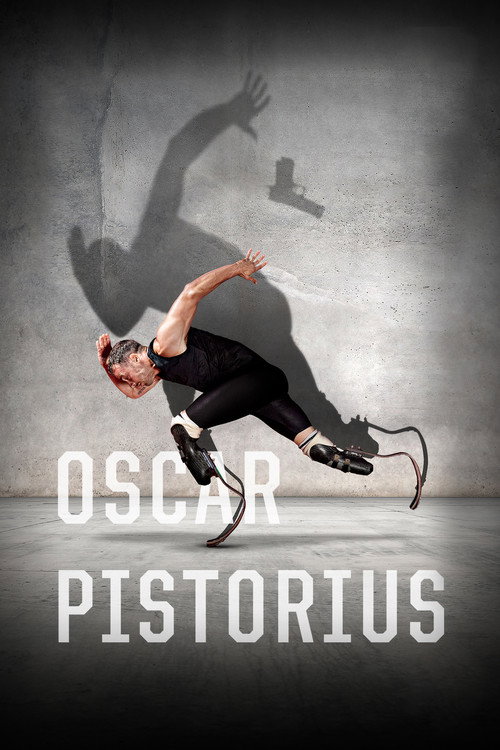
The true story of the rise and fall of sprint runner Oscar Pistorius, dubbed the “Blade Runner,” the first double-leg amputee to participate in the Olympics. From his Olympic fame, to the shooting that killed his girlfriend, Reeva, to the courtroom trials that followed.
1979

2014

1983
2005

1996

2019

2013

2016
No reviews yet. Be the first to share your thoughts on this movie!
Use the rating form above to leave a star rating and optional review.