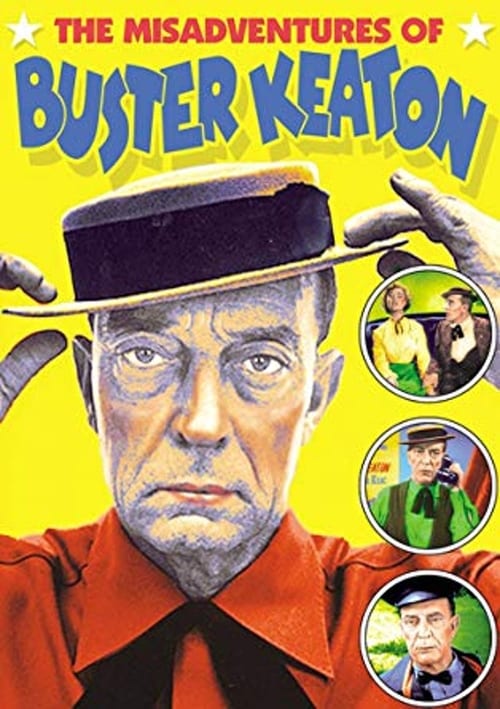
The Misadventures of Buster Keaton
1950
No user ratings available yet
Diversity score: 2.4 out of 10
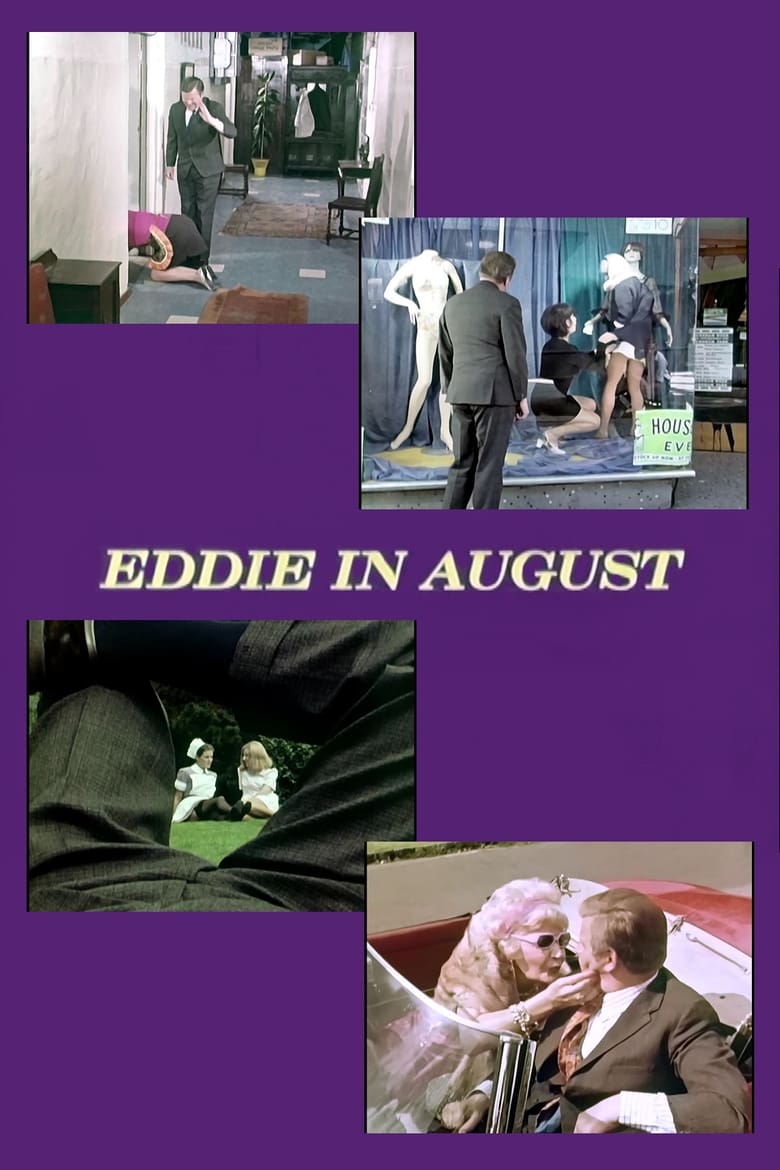
1970
TV-PGDirector
Benny Hill, John Robins
Runtime
25 minutes
Average Rating
No ratings yetSynopsis
In this one-off half-hour silent film, Benny stars as the title character, a "born loser" who is unlucky in everything - especially love. He fancies a pretty nurse who walks by the park, but ends up with a plainer girl.
Overall Score
Limited
Category Breakdown
LGBTQ+ Representation
The film follows a conventional romantic pursuit centered on heteronormative desire. There is no evidence of queer narratives or non-cisnormative identities.
Gender Representation
Women are positioned as objects of desire rather than narrative agents. The plot focuses on a male protagonist's pursuit of female attention through traditional hierarchies.
Racial & Ethnic Diversity
The setting suggests a homogeneous social environment. The narrative lacks engagement with racial blending or non-Anglo-Saxon perspectives.
Religious & Cultural Diversity
The story functions within a traditional Western social framework. It focuses on individual misfortune rather than critiques of religion or social institutions.
Disability Representation
There are no documented instances of characters with visible or invisible disabilities. Disability is not used as a thematic element.
Strengths
Areas for Improvement
AI Analysis
Eddie in August is a product of early 1970s British television, prioritizing slapstick and traditional character archetypes. The narrative relies on standard romantic tropes and lacks any intentional subversion of social norms. The film reflects the mainstream media landscape of its era, presenting a homogeneous social environment. It focuses on personal romantic struggles rather than intersectional storytelling or systemic critique. Ultimately, the work operates within established social hierarchies, offering a conventional view of the status quo without challenging cultural or gendered power dynamics.
1950

2016

1976
1968

1988
No reviews yet. Be the first to share your thoughts on this movie!
Use the rating form above to leave a star rating and optional review.