
Nude
2010
No user ratings available yet
Representation score: 3.3 out of 10
Representation Score
Fair
2010
Director
Hisayasu Satō
Runtime
105 minutes
Average Rating
No ratings yetNew Showbiz Analysis
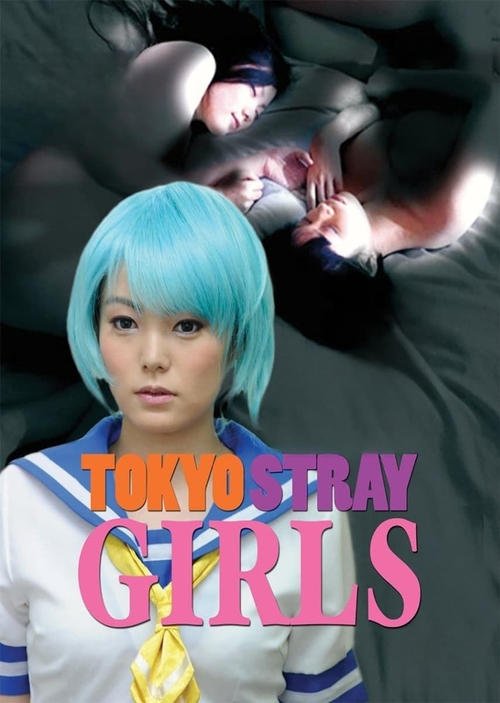
Tokyo Stray Girls is a character-driven film that challenges social taboos. It highlights a woman's struggle for autonomy against a restrictive social order. The film effectively critiques traditional Japanese societal norms and family structures. However, the film lacks broad representation of LGBTQ+ identities and racial diversity. It remains deeply rooted in a specific Japanese urban context, limiting multi-layered visibility.
Category Breakdown
The film explores self-expression and sexual freedom. While it challenges traditional sexual roles, it doesn't include specific LGBTQ+ identities or romantic relationships.
The story focuses on a woman's independence and autonomy. The protagonist rejects passivity and navigates a commercial landscape, challenging the idea of the passive victim.
The film is set in Japan and focuses on urban class and social status. It does not feature a multi-ethnic cast or diverse ethnic identities.
The film critiques traditional social structures and restrictive family units. It frames the protagonist's journey using moral relativism to explore identity.
There is no evidence of the portrayal of physical or neurodivergent disabilities in the narrative.
Present on Screen
Limited or Absent
Official Synopsis
A timid young woman who lives with her domineering mother accepts an Adult Video scout's offer to "become somebody else" by performing in porn videos. As she rises in popularity, the boundaries between her two lives begin to disintegrate.
2010

2021

2011

2011

2015

2013

2010

2019
No reviews yet. Be the first to share your thoughts on this movie!
Use the rating form above to leave a star rating and optional review.