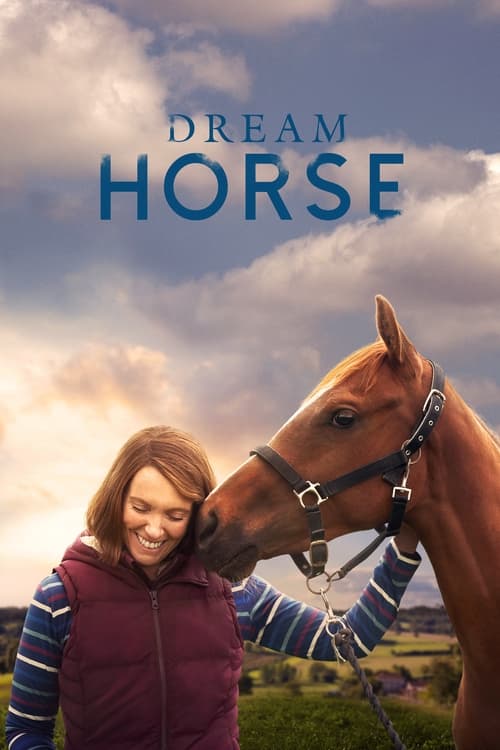
Dream Horse
2021
No user ratings available yet
Representation score: 7.2 out of 10

Representation Score
Limited
2015
PGDirector
Louise Osmond
Runtime
86 minutes
Average Rating
No ratings yetNew Showbiz Analysis
Dark Horse is a specialized biographical work that prioritizes historical authenticity over modern demographic variety. Its primary progressive value lies in its gender dynamics, specifically avoiding the 'supportive wife' cliché. The film's strength is found in constructing a narrative where female leadership and intellectual ability to act are central. While the racial and LGBTQ+ metrics are low due to the setting, the subversion of gendered power structures provides meaningful representation. Ultimately, the film serves as a nuanced critique of socioeconomic inequities and the struggle of the working class against the structures of the Great Depression.
Category Breakdown
The film focuses on a historical, working-class narrative set in the 1930s. There are no identifiable LGBTQ+ characters or explorations of non-straight relationships.
Lizzie functions as the primary driver of change, showing strategic intelligence in navigating the male-dominated world of horse racing. She challenges traditional roles by demonstrating leadership and dominance over the industry.
The demographic is predominantly white, reflecting the specific historical and geographic realities of a 1930s Northern English mining village. This aligns with the era's social constraints.
The narrative explores the tension between the working class and institutional structures during the Great Depression. It uses horse racing as a lens to examine social stratification and class mobility.
There are no prominent depictions of physical or neurodivergent disabilities that serve as central plot points or character identifiers.
Present on Screen
Limited or Absent
Official Synopsis
The larger than life true story of how a barmaid in a poor Welsh mining village convinces some of her fellow residents to pool their resources to compete in the "sport of kings" with a racehorse they would breed and raise.
2021
2019
2014

2020
2014
2005
2014
2010
No reviews yet. Be the first to share your thoughts on this movie!
Use the rating form above to leave a star rating and optional review.