A Dark Place
2018
No user ratings available yet
Representation score: 4.8 out of 10
Representation Score
Fair
2020
RDirector
April Mullen
Runtime
94 minutes
Average Rating
No ratings yetNew Showbiz Analysis
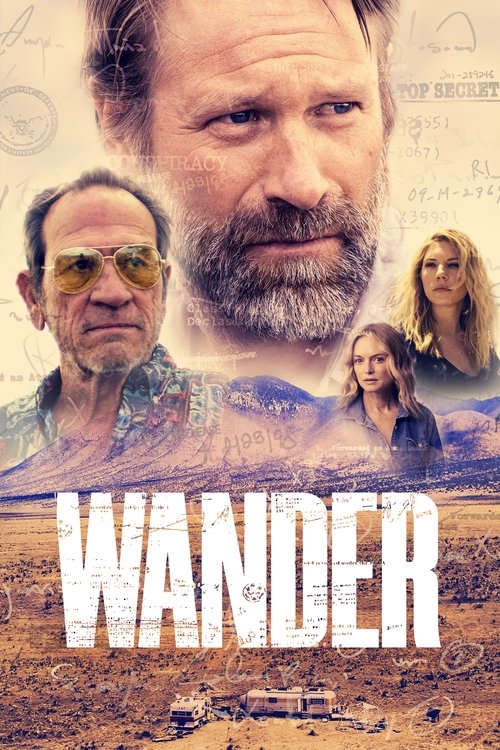
Wander is a character-driven psychological thriller that emphasizes individual emotional realism over diverse representation. It offers a complex, non-traditional portrayal of women's roles and psychological struggles, challenging traditional gender stereotypes. However, the film's focus on a specific, homogeneous demographic limits its scope and keeps the narrative centered on a particular social experience. Ultimately, the film explores personal trauma rather than broader systemic issues.
Category Breakdown
The film does not include any LGBTQ+ characters or stories. The emotional journey revolves around traditional heterosexual relationships and parenting.
The story centers on the female experience through complex psychology. It challenges the stereotype of passive women by examining the breakdown of traditional domestic roles due to grief.
The cast is mostly white and middle-class, focusing on a single cultural experience without much diversity in ethnicity.
The film shows how trauma can break down the nuclear family structure. It moves away from idealized views of family harmony.
Mental health issues and psychological struggles drive the story. While detailed, the portrayal focuses on personal grief rather than broader themes of neurodivergence.
Present on Screen
Limited or Absent
Official Synopsis
After getting hired to probe a suspicious death in the small town of Wander, a mentally unstable private investigator becomes convinced the case is linked to the same 'conspiracy cover up' that caused the death of his daughter.
2018

2019
2021
2018
2018
2019
2003
2001
No reviews yet. Be the first to share your thoughts on this movie!
Use the rating form above to leave a star rating and optional review.