Find another title
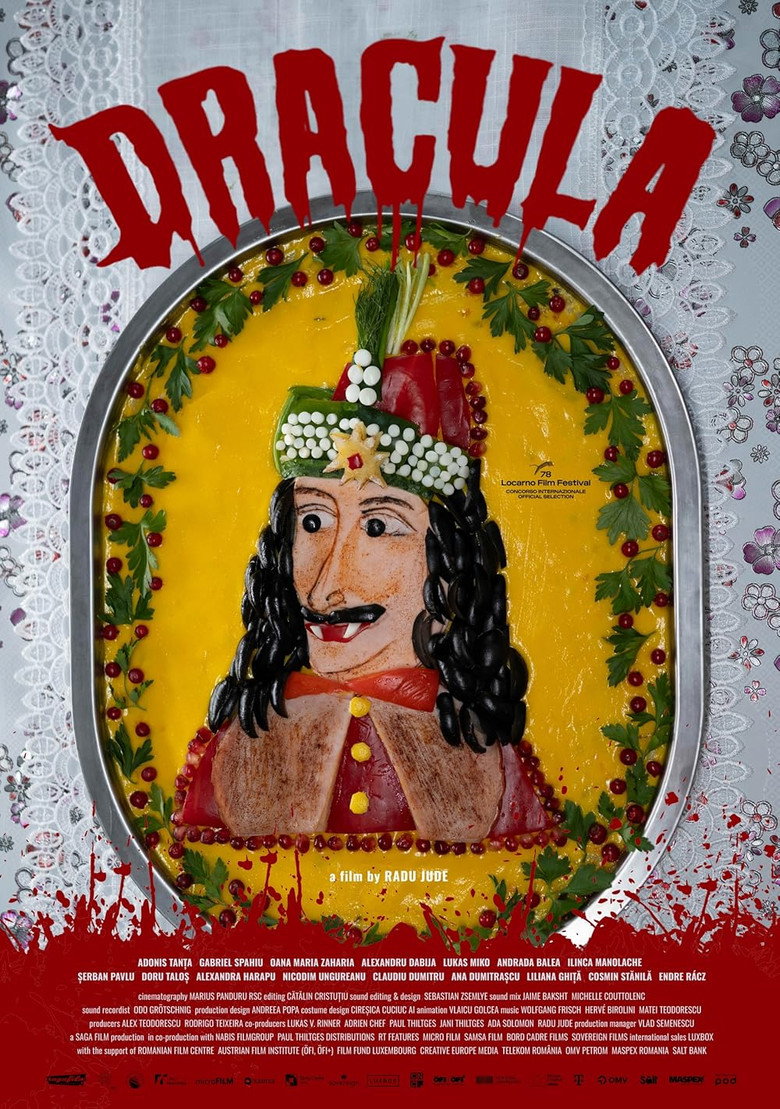
Dracula
2025
Director
Radu Jude
Runtime
170 minutes
Average Rating
No ratings yetSynopsis
In modern-day Transylvania, vampire hunts and labor strikes collide with sci-fi twists, romance, and AI-crafted tales, as multiple storylines blend folklore, classic horror, and contemporary elements into a fresh take on Dracula's legend.
Where to Watch
Diversity & Representation
Overall Score
Good
Category Breakdown
LGBTQ+ Representation
Specific character identities remain unconfirmed. However, the film's absurd, satirical framework suggests a departure from traditional heteronormative Gothic tropes.
Gender Representation
The film likely deconstructs predatory masculinity by blending folklore with contemporary labor strikes. Female leads appear to offer a shift in agency away from classic horror tropes.
Racial & Ethnic Diversity
By centering the story in Transylvania, the film resists the Westernization common in Hollywood adaptations. It prioritizes regional identity and local socio-political realities.
Religious & Cultural Diversity
The narrative engages deeply with systemic critique, using satire to explore union struggles and capitalism. It deconstructs romanticized historical mythologies through an absurd lens.
Disability Representation
There is no specific evidence regarding the portrayal of physical or neurodivergent disabilities in the current synopsis.
Strengths
- Strong engagement with systemic critique and modern socio-economic tensions.
- Effective recontextualization of Western myth through a localized Romanian lens.
- Subversion of traditional patriarchal and predatory masculine tropes.
Areas for Improvement
- Lack of explicit detail regarding specific LGBTQ+ character identities.
- No visible evidence regarding the representation of physical or neurodivergent disabilities.
AI Analysis
Radu Jude’s Dracula (2025) serves as a sophisticated deconstruction of a classic Western myth. By integrating sci-fi elements and labor politics into the Transylvanian landscape, the film moves away from standard Gothic horror toward a critique of modern systemic power. The film prioritizes regional authenticity over Anglo-centric perspectives. It uses satire to address contemporary socio-economic tensions, such as union struggles and technological exploitation, rather than relying on traditional predatory archetypes. While the film shows strength in cultural and systemic critique, specific details regarding LGBTQ+ identities and disability representation are not yet established.
Rate this Movie
Reviews
No reviews yet. Be the first to share your thoughts on this movie!
Use the rating form above to leave a star rating and optional review.