The Role of Chance
1984
No user ratings available yet
Representation score: 1.6 out of 10
Representation Score
Fair
1994
NRDirector
Patrick Bokanowski
Runtime
6 minutes
Average Rating
No ratings yetNew Showbiz Analysis
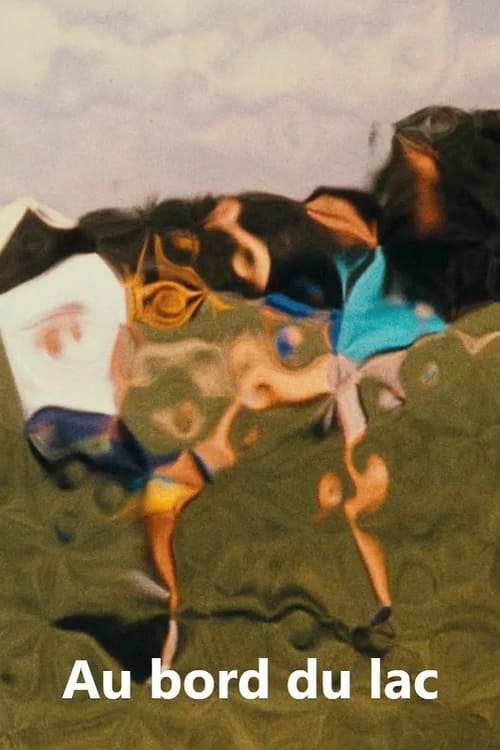
Patrick Bokanowski’s work serves as a formalist experiment rather than a character-driven narrative. Through optical distortion, the film disrupts the traditional cinematic gaze. However, this approach obscures specific demographic markers necessary for meaningful representation. The film prioritizes the deconstruction of the image over the depiction of individual ability to act. Ultimately, the work is a postmodernist departure from traditional media. It replaces social storytelling with a sensory, abstract experience that remains neutral regarding identity politics.
Category Breakdown
The film uses prisms and optical distortions to obscure specific gender expressions, avoiding traditional gender roles. Though it doesn't explicitly depict LGBTQ+ identities, its non-narrative structure steers clear of typical assumptions about straight relationships.
The cinematography transforms subjects into morphing geometric patterns, making it hard to define traditional gender roles. This fluid visual style challenges conventional expectations of gendered behavior and social roles.
The film's impressionistic, Van Gogh-inspired style emphasizes light and texture over distinct ethnic identifiers. There is no visible evidence of racial diversity or diverse casting.
By avoiding linear plots and dialogue, the film sidesteps promoting singular social or religious moralities. It focuses on subjective sensory exploration rather than traditional institutional values.
The focus on refractive substrates makes it difficult to identify specific depictions of disability. There is no visible evidence regarding neurodivergence or physical disabilities.
Present on Screen
Limited or Absent
Official Synopsis
Bokanowski returns to the complex - and mind-bending - optical array of pinholes, mirrors, prisms, and refractive substrates of his earlier film, La Plage to create the whimsical and playful Au bord du lac. The film is composed of mundane, everyday scenes of recreation and leisure on an idyllic, sunny day at a park that overlooks a lake - rowing a boat, playing a game of volleyball, rollerskating, bicycling, reading a newspaper, sunbathing, riding on horseback, or strolling on the promenade - shot through optical distortions to create fractured and knotted images that resemble embellished, gothic fairytale illustrations or appear to resolve into morphing, geometric patterns of fluid motion. Evoking the vibrant colors and sun-soaked palette of an invigorated Vincent van Gogh in Arles, Bokanowski transforms the quotidian into an infinitely mesmerizing dynamic kaleidoscope of shape-shifting textures and self-reconstituting objects of organic, abstract art.
1984
1929
1973
2008
2003
1964
1988
1991
No reviews yet. Be the first to share your thoughts on this movie!
Use the rating form above to leave a star rating and optional review.