
Too Close to the Sun
2022
No user ratings available yet
Representation score: 5.7 out of 10
Representation Score
Good
2024
PG-13Director
Hannah Marks
Runtime
111 minutes
Average Rating
No ratings yetNew Showbiz Analysis
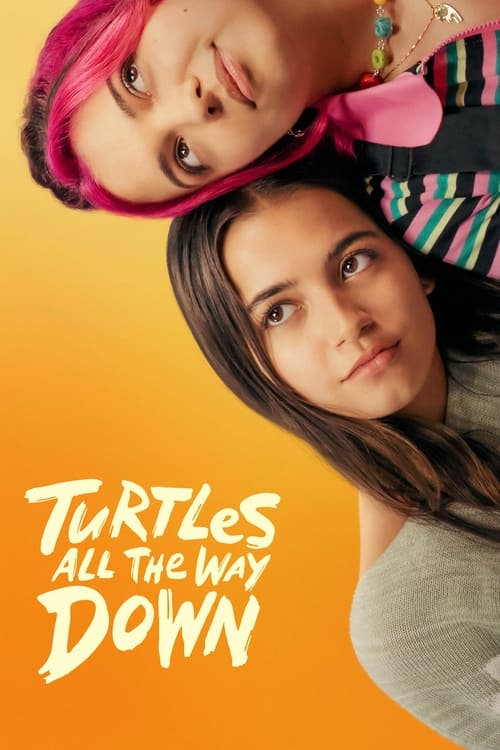
Turtles All the Way Down succeeds as a character study that prioritizes the internal experience of neurodivergence over external spectacle. By centering the narrative on Aza's struggle with OCD, the film provides a rare, dignified look at mental health that avoids common clichés. However, the film's impact is limited by a lack of diverse representation. The cast and setting remain largely homogeneous, focusing on a white, middle-to-upper-class demographic with minimal LGBTQ+ presence. Ultimately, the film is a powerful exploration of cognitive autonomy, even if it operates within a relatively traditional social and romantic framework.
Category Breakdown
The story focuses on a heterosexual relationship between Aza and Davis. There are no prominent LGBTQ characters or non-straight identities as central plot drivers.
The film highlights Aza's intellectual navigation of her world, emphasizing her strength and resilience rather than portraying her as fragile.
The production features a predominantly white cast set in a suburban, middle-to-upper-class environment. It lacks significant efforts to include diverse racial backgrounds.
The narrative explores themes of subjective truth and memory in a postmodern context. A subplot involving a billionaire's disappearance critiques wealth and social hierarchies.
The film excels in its portrayal of OCD, treating neurodivergence with dignity and focusing on the isolating nature of intrusive thoughts.
Present on Screen
Limited or Absent
Official Synopsis
Aza confronts her potential for love, happiness, friendship, and hope while navigating an endless barrage of invasive, obsessive thoughts.
2022

2016

2022

2020

2016

2022

2018

2024
No reviews yet. Be the first to share your thoughts on this movie!
Use the rating form above to leave a star rating and optional review.