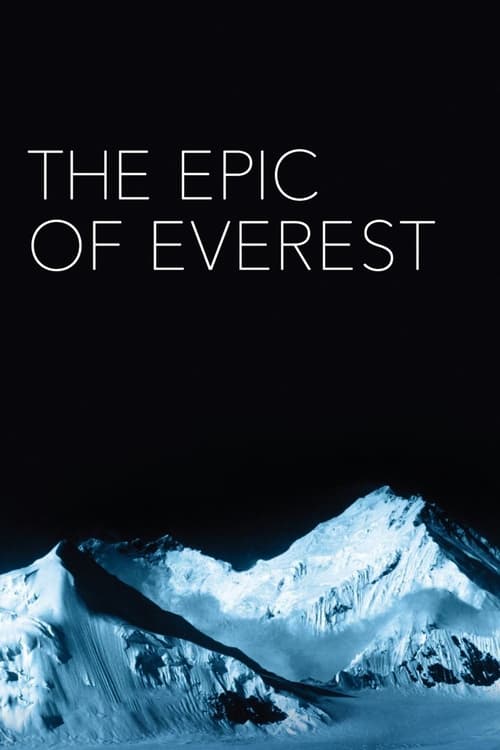
The Epic of Everest
1924
No user ratings available yet
Representation score: 0.2 out of 10
Representation Score
Limited
1953
Not RatedDirector
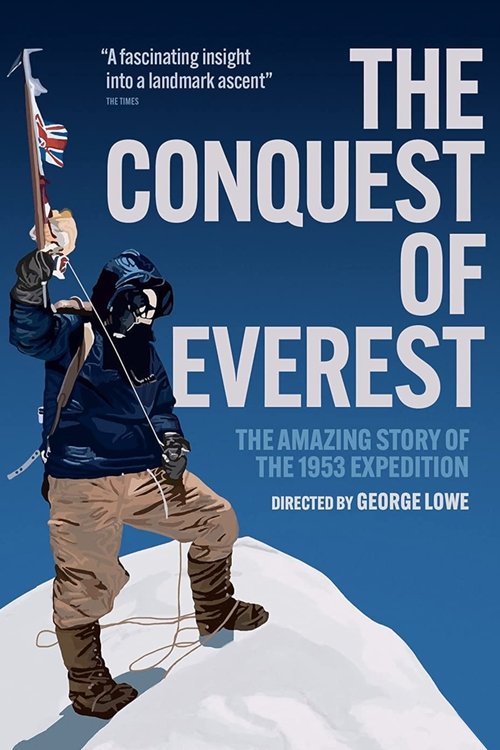
George Lowe
Runtime
78 minutes
Average Rating
No ratings yetNew Showbiz Analysis
The film serves as a historical document reflecting the social constraints of 1953. It prioritizes documenting a significant achievement over modern identity-focused storytelling. While the inclusion of Tenzing Norgay provides important ethnic visibility, the work remains rooted in Western-centric achievement. The narrative structure reinforces traditional gender roles and lacks complexity in addressing multiple aspects of diversity. Ultimately, the documentary captures a specific era of exploration characterized by masculine hierarchies and a focus on physical endurance.
Category Breakdown
The film does not include any LGBTQ+ characters or stories that go beyond assuming everyone is straight and cisgender. It follows the traditional social structures typical of mid-20th-century mountaineering documentaries.
The story focuses on an all-male expedition team. By emphasizing masculine physical strength, the film leaves out female perspectives and strengthens traditional gender hierarchies.
The central partnership between Edmund Hillary and Tenzing Norgay highlights meaningful ethnic diversity. While the film is framed by the era's colonial perspective, Norgay's role as a co-protagonist challenges a purely Anglo-centric narrative.
The film celebrates Western values of achievement and physical toughness. It presents a traditional view of exploration without questioning Western institutions or social structures.
There is no clear depiction of physical or neurodivergent disabilities. The focus remains solely on peak physical performance and athletic capability.
Present on Screen
Limited or Absent
Official Synopsis
A documentary of the first successful expedition to the summit of Mount Everest. New Zealand's Edmund Hillary and Sherpa Tenzing Norgay climb Mount Everest in 1953.
1924
2013

2013
2003
1975
2008
1998

2015
No reviews yet. Be the first to share your thoughts on this movie!
Use the rating form above to leave a star rating and optional review.