Classic Albums: Phil Collins - Face Value
1999
No user ratings available yet
Representation score: 0.8 out of 10
Representation Score
Minimal
1999
Director
Nuala O'Connor, Philip King
Runtime
59 minutes
Average Rating
No ratings yetNew Showbiz Analysis
This documentary serves as a detailed historical account of a specific musical era. It focuses on the technical and spiritual aspects of U2's work, resulting in a narrow narrative scope. The film's concentration on a male quartet limits characters who reflect more than one aspect of diversity, sticking to traditional demographic structures common in music industry retrospectives. While capturing the rise of a global phenomenon, it does so through a homogeneous lens that overlooks diverse identities and social critiques.
Category Breakdown
The film does not include any LGBTQ+ characters or narratives. It focuses solely on the band's musical journey without addressing non-binary or LGBTQ+ identities.
The documentary centers around four male band members, emphasizing their control over the creative process. This reinforces a traditional male-centric structure within the music industry.
Most interviewees are Anglo-European, reflecting the Irish rock scene. The film's American Southwest setting does not explore racial diversity or varied cultural backgrounds.
The film explores themes of spirituality and religion, documenting the global impact of Western music. It examines these themes through a Western philosophical perspective.
The film does not depict any characters with visible or invisible disabilities. There is no exploration of neurodivergence or physical disabilities as part of the narrative.
Present on Screen
Limited or Absent
Official Synopsis
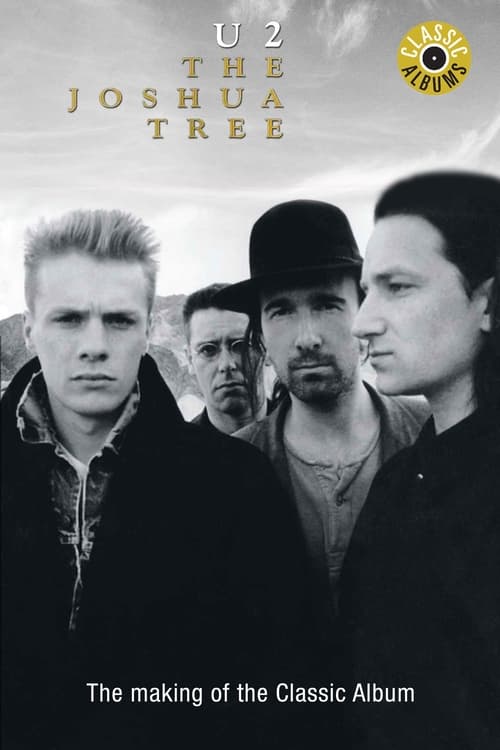
Release in March 1987, U2's The Joshua Tree quickly became the fastest-selling album in British chart history, selling almost 250,000 copies within the first week of release. In the US, it was equally successful, topping the Billboard album chart for nine weeks, spending 58 weeks in the Top 40 there and earning a Grammy Award for Album of the Year. The story of the making of The Joshua Tree is told here, via interview and archive film footage, with contributions from band members Bono, The Edge, Adam Clayton and Larry Mullen Jr. U2’s long-time manager Paul McGuinness reveals how the album catapulted the band into the category of rock superstars, and there are contributions from Elvis Costello in the role of a major U2 fan, re-mix producer Steve Lillywhite, and of course co-producers Brian Eno and Daniel Lanois. Packed with reminiscences and powerful performances, this is the story of one of the most famous and best records of the Eighties, a true Classic Album.
1999
2024
2003

2004
2006
2001
2005
2010
No reviews yet. Be the first to share your thoughts on this movie!
Use the rating form above to leave a star rating and optional review.