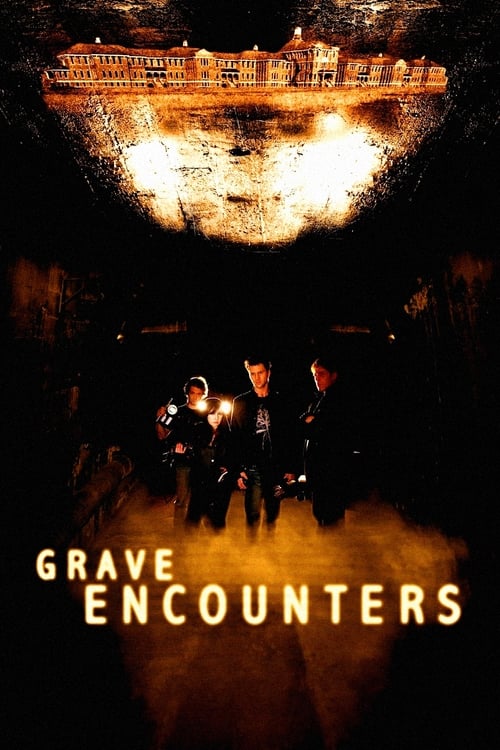
Grave Encounters
2011
No user ratings available yet
Representation score: 3.8 out of 10
Representation Score
Minimal
2011
RDirector
Hunter G. Williams
Runtime
77 minutes
Average Rating
No ratings yetNew Showbiz Analysis
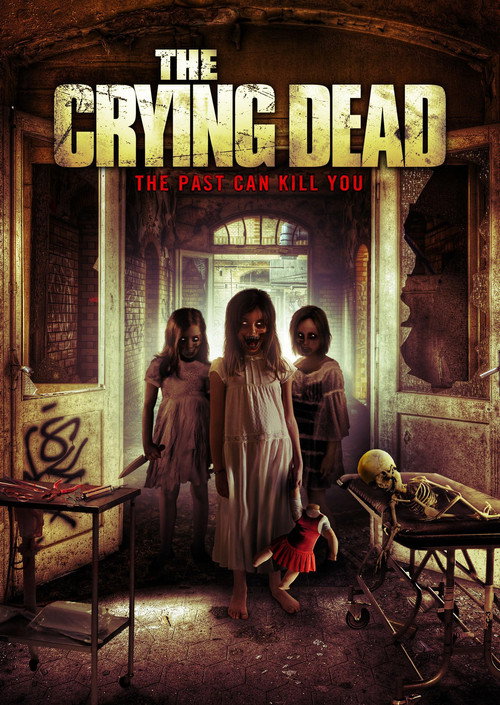
The Crying Dead is a conventional supernatural thriller that follows the found-footage horror subgenre. The plot centers on a paranormal reality show crew facing violent hauntings in a hospital, emphasizing genre mechanics over character development. Because the narrative sticks to standard horror clichés, it does not delve into nuanced character's ability to drive the story or social commentary. The film adheres to traditional cinematic structures without challenging them.
Category Breakdown
The film does not include any characters with non-straight or non-cisgender identities. The story revolves around typical horror themes without exploring LGBTQ+ experiences.
The film features several female characters, including Becka Adams and Angelina Lyubomirova. However, these characters tend to be passive victims within the horror genre's conventions.
The cast does not explicitly showcase a wide range of racial or ethnic backgrounds. The film adheres to traditional casting practices for independent horror movies.
The story relies on classic Western horror elements like haunted locations and reality show formats. It does not explore religious or cultural critiques.
There are no characters with visible or invisible disabilities in the film. The narrative does not address neurodivergence or physical disabilities.
Present on Screen
Limited or Absent
Official Synopsis
The cast and crew of a paranormal reality show spend their first night at a haunted location; it starts with vague apparitions that quickly turn into violent hauntings and, one-by-one, people begin dying.
2011
2018
2012
2015
2013
2010
2007
2002
No reviews yet. Be the first to share your thoughts on this movie!
Use the rating form above to leave a star rating and optional review.