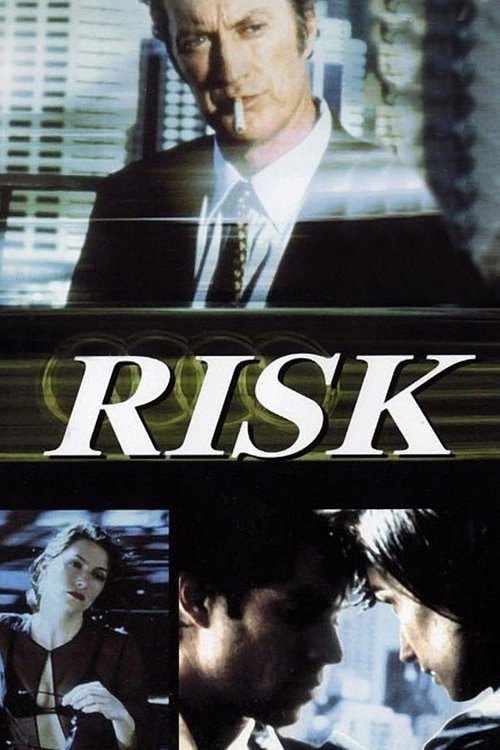
Risk
2001
No user ratings available yet
Representation score: 2.6 out of 10
Representation Score
Limited
1995
RDirector
Tony Spiridakis
Runtime
94 minutes
Average Rating
No ratings yetNew Showbiz Analysis
The film functions as a traditional noir-inspired thriller focused on journalistic ethics and institutional corruption. While it offers a critical look at how the entertainment industry commodifies personal trauma, it does so through a very conventional lens. The narrative lacks broad demographic representation, focusing instead on the moral tension between professional success and personal integrity. The central conflict revolves around interpersonal ethics rather than diverse social identities. Ultimately, the film adheres to a traditional framework, prioritizing a character-driven drama about loyalty and power over a diverse representation of different social identities.
Category Breakdown
The film does not include any LGBTQ+ characters or themes. The main romance is between Martin and Caprice, following a traditional heterosexual relationship.
Caprice plays a significant role in the story, but her autonomy is often influenced by the decisions of male characters. The plot frequently centers on how male characters affect her freedom.
The story focuses on a primarily white, Western social context. There is no indication of diverse racial or ethnic backgrounds.
The film critiques the Hollywood studio system and its commercialization of truth. It portrays corporate power as a predatory force.
There are no characters with visible or invisible disabilities in the narrative.
Present on Screen
Limited or Absent
Official Synopsis
With his marriage in trouble and his best friend in dds ts the Mob, journalist Martin Ryan (TIMOTHY HUTTON) goes tsa stip has, where is enamored with the beautiful, mysterious Caprice (MICHELLE BURKE). Martin writes her story and exposes her secret and painful past. He also falls in love with her. But Caprice hasn't revealed everything, and when Martin's partner Doc (JOE PANTOLIAMO) engineers with a Hollywood studio a movie deal based on Martin's writings, the three move West, taking their secrets with them. In LA, the studio wants all of Caprice's intimate, dark secrets in the film. They put pressure on Doc to get the reluctant Martin to sell-out Caprice, but doing so would destroy her. Now Martin is forced to choose between love and success, romance and power, and friendship and money.
2001
1986
2024

1950
1994
1957
1995
1985
No reviews yet. Be the first to share your thoughts on this movie!
Use the rating form above to leave a star rating and optional review.