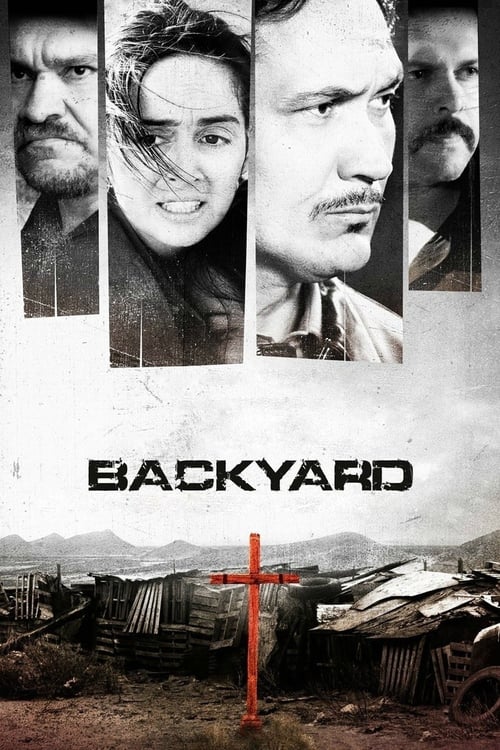
Backyard
2009
No user ratings available yet
Representation score: 6.6 out of 10
Representation Score
Good
2008
TV-14Runtime
90 minutes
Average Rating
No ratings yetNew Showbiz Analysis
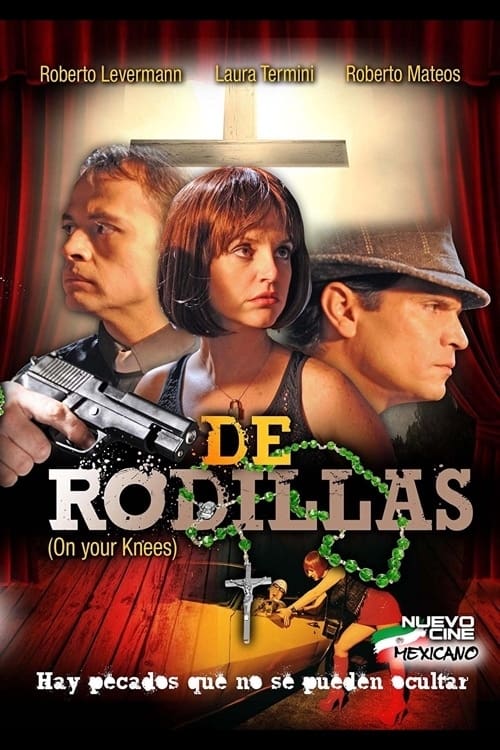
De rodillas is a subversive noir that turns traditional moral hierarchies upside down. It focuses on vulnerable figures, such as sex workers and a local pimp, navigating a landscape of systemic vulnerability and disappearance. The film's strength lies in its critique of patriarchal and religious institutions. By portraying a beloved priest as a potential predator, the story challenges the viewer’s reliance on established social and moral pillars. While the film doesn’t provide specific data on racial casting or disability, its thematic focus on the tension between individuals and oppressive institutions creates a strong, intentional narrative framework.
Category Breakdown
The film examines alternative social structures and lifestyles. Though specific LGBTQ identities are not confirmed, it criticizes religious frameworks that assume everyone is straight.
The story highlights women's roles through sex workers and the disappearance of Jenny. It challenges male authority by depicting a priest as a predatory hypocrite.
Names like Armando and Mosqueda hint at a Latin American or Hispanic cultural setting. The crowded, chaotic town suggests a diverse, non-Anglo-Saxon population.
The film presents a critical view of organized religion, portraying the Church as a source of systemic harm. It emphasizes the morality of outlaws over traditional institutions.
There is no evidence of characters with visible or invisible disabilities within the narrative.
Present on Screen
Limited or Absent
Official Synopsis
In an overcrowded and turbulent town, nighttime is refuge for prostitutes, hit men...and anyone else seeking a new start. When Jenny, a local hooker, disappears without a trace, the town pimp Armando sets out to defend his territory at all costs and find out who's behind the mysterious disappearances. All the clues point to Father Mosqueda, the conservative and beloved local priest, who preaches a radical new philosophy by day and by night prowls the streets -- looking for comfort among the women of the night. His mission? To transform mankind in the image of a beehive with the same rigid discipline that runs the world of the queen bee, drones and worker bees. It doesn't take long before Armando suspects Mosqueda of being the one responsible for the missing girls. Little does Armando know the dark secret that awaits him at the final showdown. Could Father Mosqueda be responsible for the missing women?
2009
2000

2007
1981

2015
1980
2015

2022
No reviews yet. Be the first to share your thoughts on this movie!
Use the rating form above to leave a star rating and optional review.