
Guests in the House
1988
No user ratings available yet
Representation score: 4.1 out of 10
Representation Score
Limited
1991
EMDirector
Nicholas Jacobs
Runtime
86 minutes
Average Rating
No ratings yetNew Showbiz Analysis
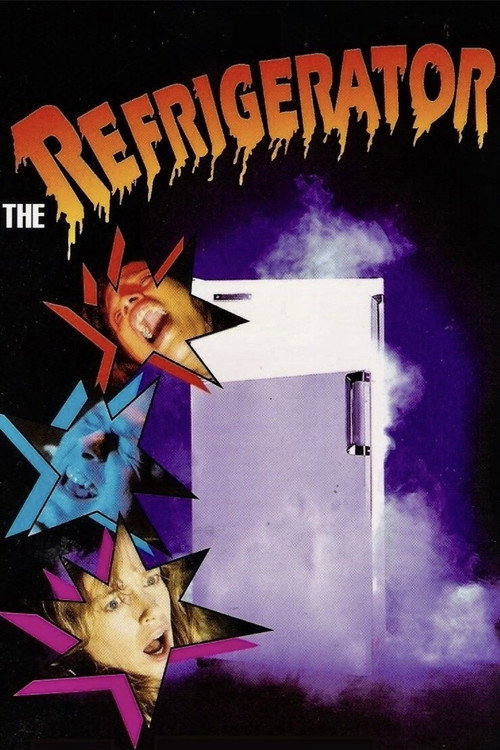
The Refrigerator operates primarily as a genre-driven horror film that prioritizes supernatural tension over social representation. Its narrative structure relies on traditional domestic clichés, focusing on a central heterosexual couple within a standard urban setting. While the film lacks overt diversity, it offers a subtle critique of middle-class stability. By transforming a common household appliance into a malevolent entity, the story challenges the sanctity of the domestic space and consumerist ideals. Ultimately, the film's impact lies in its subversion of domestic safety rather than its engagement with diverse identities or social hierarchies.
Category Breakdown
The story focuses on a conventional heterosexual couple and does not include any non-assuming gender matches what was assigned at birth identities or narratives that challenge the assumption that everyone is straight or cisgender.
The plot involves a refrigerator gaining mind control over the husband, potentially subverting traditional masculine ability to act by making the male lead a passive subject.
The New York setting suggests an urban, multi-ethnic environment. However, the narrative focuses solely on the domestic struggles of the central couple.
The film deconstructs the home by turning a symbol of nourishment into a predatory monster, disrupting the idea of the domestic sphere as a site of comfort.
The film provides no evidence regarding the inclusion of characters with physical or neurodivergent disabilities.
Present on Screen
Limited or Absent
Official Synopsis
A couple move into a bad apartment in a bad neighborhood in New York. The apartment contains a refrigerator, which is the only thing they like in the place. However, they slowly discover that the refrigerator is a monster which kills people in gruesome ways and then sends them to hell. The refrigerator is already gaining mind control over the husband. What will happen?
1988

1988

1993

1987
1977
1988
1990
1991
No reviews yet. Be the first to share your thoughts on this movie!
Use the rating form above to leave a star rating and optional review.