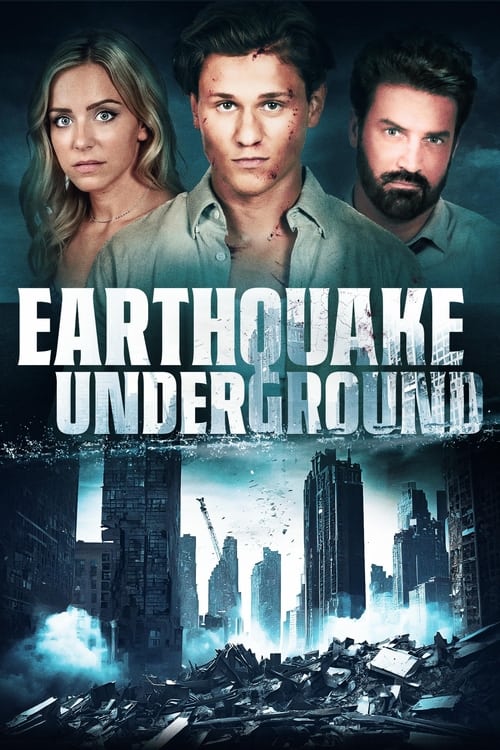
Earthquake Underground
2025
No user ratings available yet
Representation score: 5.2 out of 10

Representation Score
Limited
2013
TV-14Director
Anton Megerdichev
Runtime
130 minutes
Average Rating
No ratings yetNew Showbiz Analysis
Metro is a high-stakes disaster film that emphasizes survival over social exploration. The narrative relies on established genre clichés, focusing on the immediate threat of a collapsing tunnel and flooding rather than identity-based themes. The film reinforces traditional social hierarchies. Men hold the primary roles of physical leadership, while women are often relegated to supportive or rescued roles. This adherence to traditional archetypes limits the film's depth regarding gender dynamics. The cast is predominantly from a homogeneous demographic typical of Moscow, depicting various socioeconomic statuses but lacking multi-layered complexity or diverse representation.
Category Breakdown
The film does not include any LGBTQ+ characters or explore non-traditional sexual orientations. Conflicts center around traditional family structures and marital issues.
Male characters dominate the narrative, leading the response to the crisis. Female characters mainly serve as emotional support or as those needing rescue.
The cast is predominantly from a homogeneous demographic typical of Moscow. While there is a range of socioeconomic statuses, there is no significant exploration of multi-layered identities.
The story centers on the collective struggle against a natural disaster. It avoids challenging traditional social or familial norms and does not critique specific institutions.
The film does not focus on neurodivergence or physical disabilities. Physical trauma is used as a standard plot device without nuanced portrayal.
Present on Screen
Limited or Absent
Official Synopsis
Terror strikes the underground train system in Moscow in the form of a flood from a collapsed tunnel. The film follows a diverse group of Moscow citizens who find themselves trapped in the city’s underground rail network, their train derailed and virtually crushed after an aging tunnel collapses. Amongst this band of survivors is softly spoken surgeon Andrey (Sergei Puskepalis), whose wife is having an affair with the conceited businessman Vlad (Anatoly Beliy). Fate brings these two men together on the same doomed train, but there is little time to resolve their differences, as the tunnel begins to quickly fill with water, forcing them to work together with the others and find a way back to the surface.
2025

1985

2013
2016
2025
2021

2003

2004
No reviews yet. Be the first to share your thoughts on this movie!
Use the rating form above to leave a star rating and optional review.